
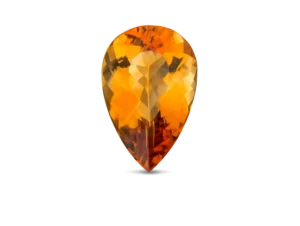
Citrine: the yellow and orange gemstone that brings light to the jewel
Citrine is a sunny, warm, approachable gemstone. In my work, I consider it a stone suited to those seeking light without ostentation: it can be lively, golden, orange, sometimes almost reddish, yet it remains an accessible and very versatile gem. However, it must be chosen with care, because colour, cut, treatment and final use greatly change the result of the jewellery.
This guide gathers essential technical data and translates it into practical studio advice: how to recognise a good citrine, when to choose it for a ring, what precautions to ask about before purchasing and how to incorporate it into a design project Personalised jewellery.
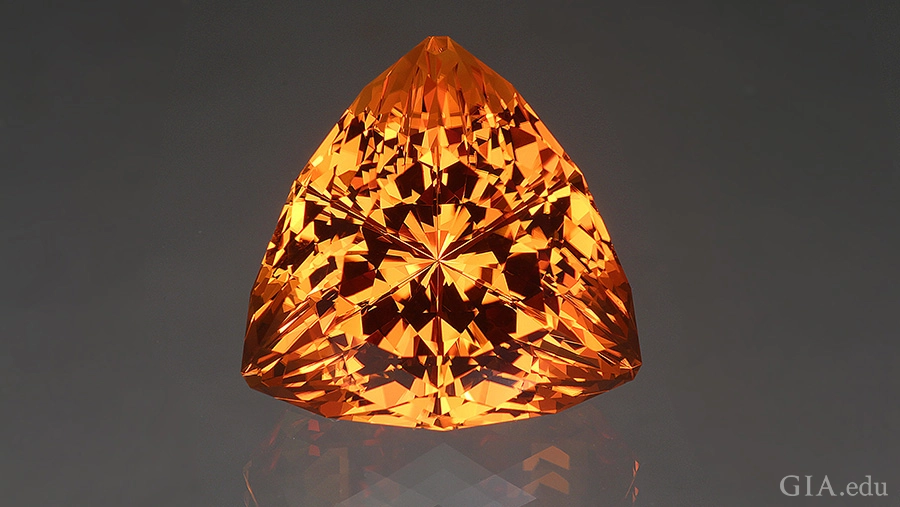
What is citrine
Citrine is the transparent variety of quartz ranging in colour from pale yellow to brownish orange. Its chemical composition is SiO2, like other quartz varieties, but the yellow-orange colour is linked to the presence of traces of iron in the stone's structure.
Natural citrine is rare. Because of this, in the contemporary market, it is important to know that much of the citrine available comes from the heat treatment of amethyst. This does not automatically make the stone uninteresting: however, it makes clear communication necessary, especially when the gemstone is chosen for a personal or commemorative piece of jewellery.
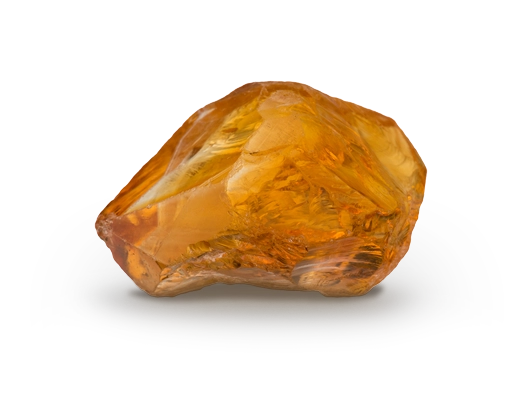
Citrine, birthstone and anniversaries
Citrine is one of the stones associated with November, along with topaz. It is also recognised as the thirteenth anniversary gemstone. For this reason, I can see it working well in narrative jewellerynot only for the colour, but because it allows you to build a warm, personal and not overly formal message.
For an anniversary it can work in a pendant, a cocktail ring, a pair of earrings or a small creation to be worn every day with proper care. When the gift is tied to a date, I prefer to choose a citrine with a visually clear and stable colour: a stone that is too pale risks losing character in the setting.
Geological origin and context of quartz
Citrine belongs to the quartz family. The GIA notes that large amethyst geodes, in areas such as Brazil, are often heated to produce so-called citrine “cathedrals”. This is a useful point to understand: not every deep orange citrine is automatically natural in colour.
Another interesting case is ametrine, in which amethyst and citrine can occur in the same crystal; GIA cites Bolivia as a place where these two colours can coexist in the same gemstone. In an article on citrine, however, the two materials must not be confused: citrine remains the yellow-orange portion of transparent quartz.
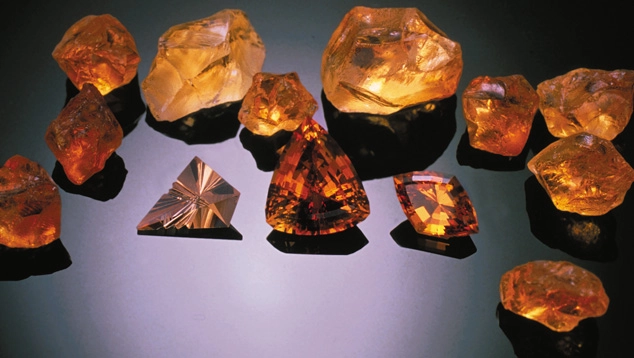
Citrine colour: from light yellow to orange-red
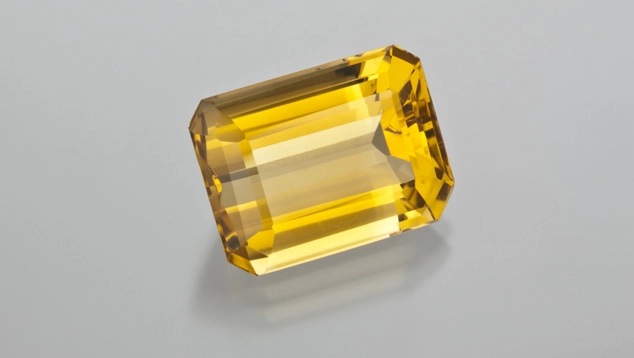
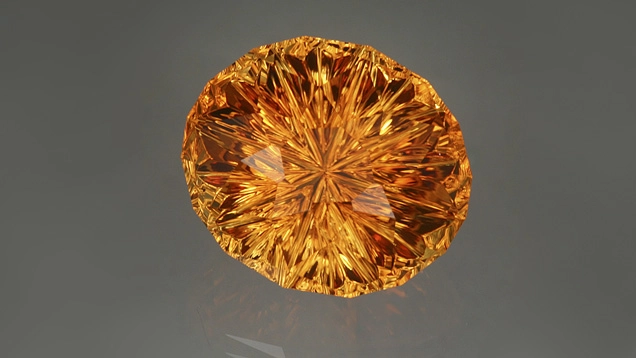
Colour is the primary criterion for choice. The shades range from yellow to yellowish-orange, from warm orange to reddish-orange. Saturated, vibrant colours with very little brownish component are often highly appreciated; at the same time, in contemporary taste, even earthier and deeper tones can prove elegant.
When I select a citrine for a client, I always observe the stone outside of purely theatrical lighting. The correct question is not just “how intense is the colour?”, but “how does the colour behave in the real light in which the piece of jewellery will be worn?”.
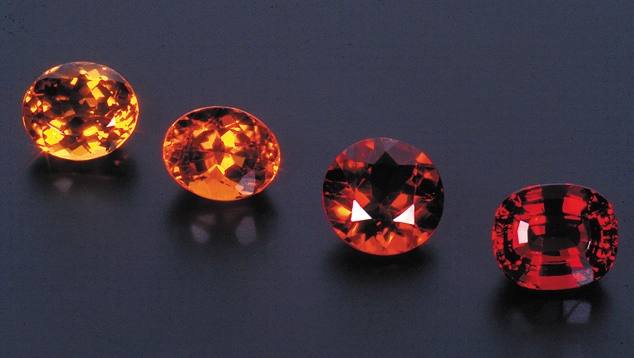
Gemmological technical data for citrine
| Property | Technical specification |
|---|---|
| mineral species | Quartz |
| Chemical composition | SiO2 |
| Colour | From yellow to orange, up to reddish-orange |
| Refractive index | 1,544 – 1,553 |
| Specific gravity | 2,66 (+0,03 / -0,02) |
| Mohs hardness | 7 |
Quality factors: how to evaluate a citrine
Colour
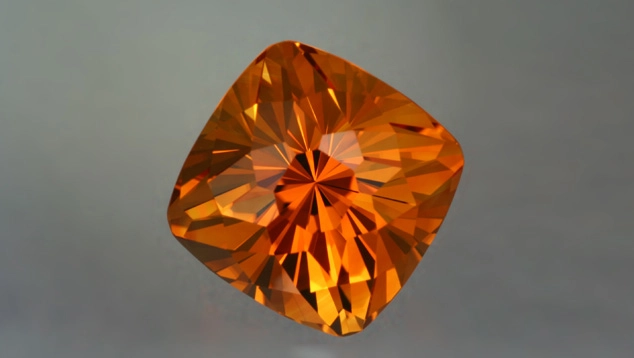
The best citrine is not simply “darker”. It must have a pleasant, vivid, well-distributed colour that is consistent with the design of the piece of jewellery. An overly brownish orange can be elegant, but it needs to be assessed alongside the metal and the skin tone of the person who will wear it.
Purity
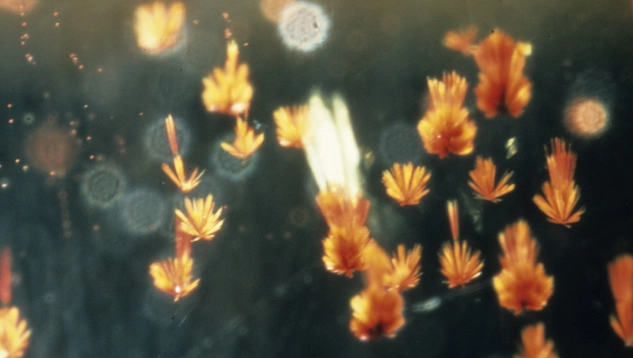
Much faceted citrine on the market is eye-clean. Visible inclusions, especially in light stones, can reduce the perception of quality. Not all inclusions are a dramatic defect, but they must be evaluated in relation to their position, size and price.
Cut
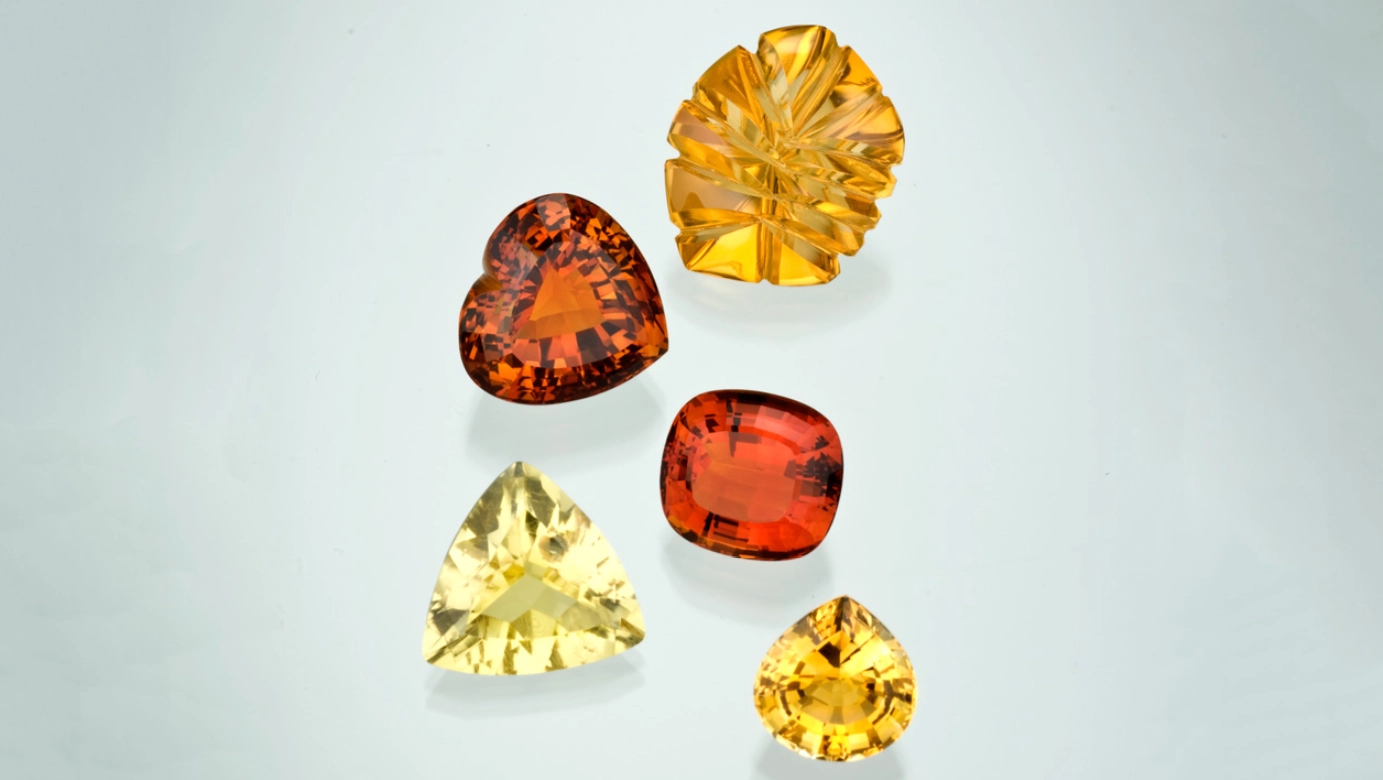
Citrine lends itself to classical cuts, fancy cuts, carvings and calibrated shapes for jewellery. The cut must distribute colour well and avoid creating lifeless or overly dark areas. In the studio, before talking about carats, I look at proportion: a well-cut stone can look more vibrant than a larger, yet flat one.
Carat weight
Citrine is available in a good variety of sizes. GIA reports that stones of up to around 20 carats are readily available for jewellery. This makes it attractive for prominent creations, but size should not be chosen at the expense of cut quality.
Jeweller's buying advice
When a client asks me for a citrine, I start with three questions: where it will be worn, how often, and what tone the jewellery should have. A citrine for a pendant can afford to be larger; a citrine for a ring requires more attention to stone protection.
Always ask whether the colour is natural or achieved through treatment, without making the question sound like an accusation. For citrine, heat treatment is very common; what matters is that it is declared with transparency. For high-value purchases or important gemstones, the process of Method and Guarantees help clarify the documentation, gem selection and project consistency.
Treatments, synthetics and imitations
The most important point concerns heat treatment: since natural citrine is rare, much of the citrine on the market comes from heating amethyst. The treatment can produce pleasing yellow or orange colours; however, this must be disclosed correctly.
Lab-grown citrine quartz also exists. From a physical and chemical point of view, it can have very similar properties to the natural material, but its origin must be distinguished. Finally, like any gemstone, citrine can be imitated by other natural or artificial materials: for this reason, generic commercial descriptions are not enough.
Care and maintenance of citrine
Citrine has a hardness of 7 on the Mohs scale and good toughness, but it must be treated with respect. GIA states that warm soapy water is always safe for cleaning. Steam cleaning is not recommended, because citrine should not be subjected to heat.
It is wise to avoid sudden temperature changes, prolonged exposure to bright light and contact with aggressive substances. For a ring worn frequently, I advise removing the piece of jewellery during manual work, sports, housework and activities where the stone may be subject to knocks or abrasions.
Citrine in bespoke jewellery
Citrine is a generous gemstone: it allows for colour, volume and personality without necessarily demanding prohibitive budgets. In a pendant it can become a warm focal point; in earrings it adds luminosity to the face; in a ring it can take centre stage, but the setting must protect it.
For a Bespoke Engagement Ring, I would suggest it only after clarifying lifestyle, frequency of use and durability expectations. It is not fragile, but it doesn't have the daily resistance of harder stones. For those who love warm colour and accept mindful care, it can become a very personal choice.
Common Errors to Avoid
Confusing citrine and topaz
Historically, citrine has been confused with topaz due to the similarity of certain shades. Today, this confusion should be avoided: they are different gemstones, with different properties and values.
Choose only the brightest colour
An intense colour draws you in, but it is not enough. You must look at uniformity, cut, inclusions, proportions and how it performs in the setting. A more balanced gemstone can be better than a stone that is only seemingly more vibrant.
Do not ask for information about treatments
Heat treatment is frequent in citrine. The problem is not the treatment itself, but the lack of clarity. Honest selling must distinguish what is known from what is undocumented.
Use it in a daily ring without designing the setting
Citrine can be set in a ring, but for frequent wear it requires a well-proportioned setting, possibly a protective one, with carefully designed thicknesses and supports. The design matters just as much as the stone.
Citrine FAQ
Is citrine a gemstone?
It is a gemstone from the quartz family, prized in jewellery for its colour, availability and versatility. It should not be evaluated simply as “precious” in a generic sense, but for its quality of colour, purity, cut and commercial transparency.
Is natural citrine rare?
Yes, GIA indicates that natural citrine is rare. For this reason, the citrine on the market comes from heat treatment of amethyst.
Is citrine suitable for rings?
Yes, it can also be suitable for rings, because it has a Mohs hardness of 7 and good toughness. However, it requires care: it is not a gemstone to be treated with extreme casualness, especially if worn every day.
How do you clean citrine?
Warm water and soap are the safest choice. Steam cleaning is not recommended; ultrasonics are generally safe, except in special cases such as dyed or fracture-filled stones.
What colour should a good citrine be?
A good citrine should have a pleasant, vivid and well-distributed colour. The most highly prized shades can range from saturated yellow to reddish orange, but the colour should always be judged in conjunction with the cut, clarity and jewellery design.
Do you want to choose a citrine for a bespoke piece of jewellery?
Citrine is a stone that can speak of light, November, an anniversary, memory and personal warmth. To transform it into a successful piece of jewellery, however, one must start with the right gemstone and a coherent setting.
In my studio I can help you evaluate the colour, proportions, daily wear and style of the design, also comparing the citrine with other gemstones available in the’Gemstone Encyclopaedia.
The GIA assumes no responsibility for the content of this article, as the Italian translations have not been checked by the GIA. I am not a GIA associate and the original reference content comes from the site www.gia.edu.