
How to assess jewellery value: authenticity, imitations and appraisal
How to assess jewellery value and distinguish authentic pieces, imitations and treatments: the role of professional appraisal, documentation and expert evaluation.


How to assess jewellery value and distinguish authentic pieces, imitations and treatments: the role of professional appraisal, documentation and expert evaluation.
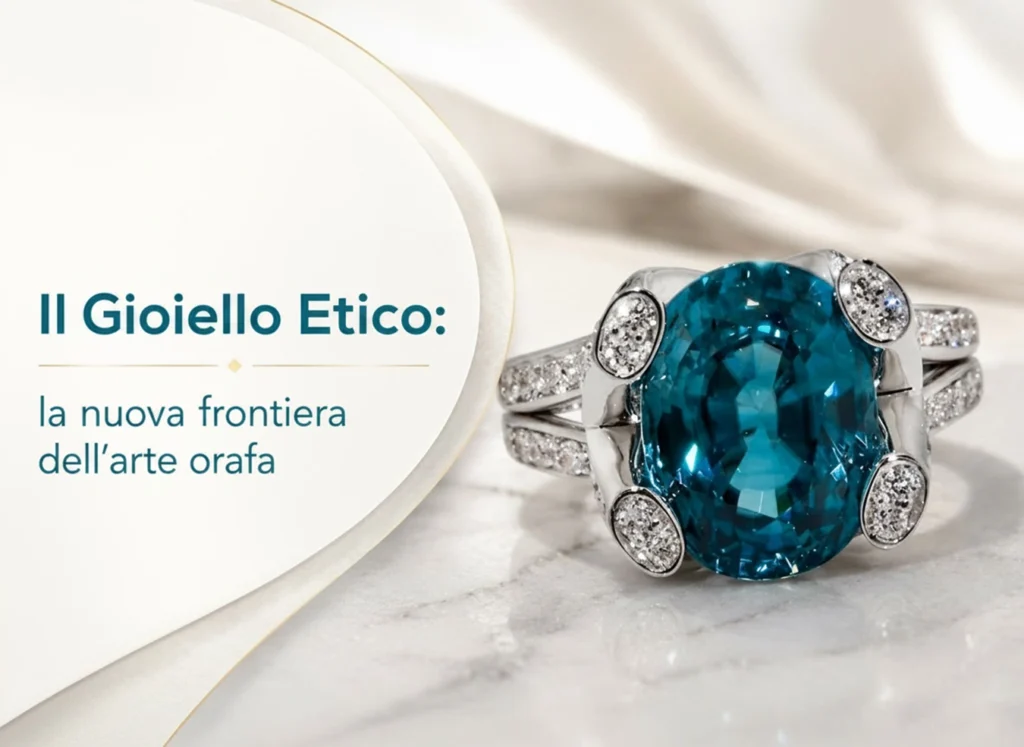
A reflection on ethical jewellery: responsible materials, recovered gold, documentable gems, restyling and conscious craftsmanship.
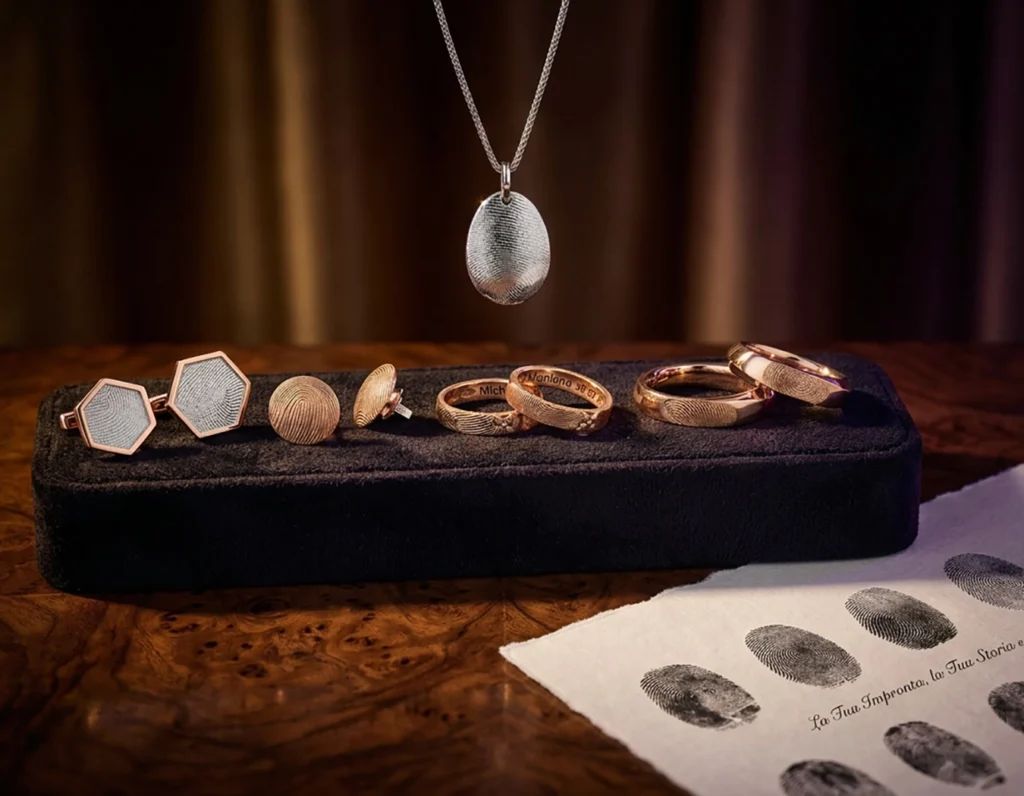
Fingerprint jewellery: bespoke wedding bands, cufflinks, earrings and pendants that preserve a personal, unique and unrepeatable mark.
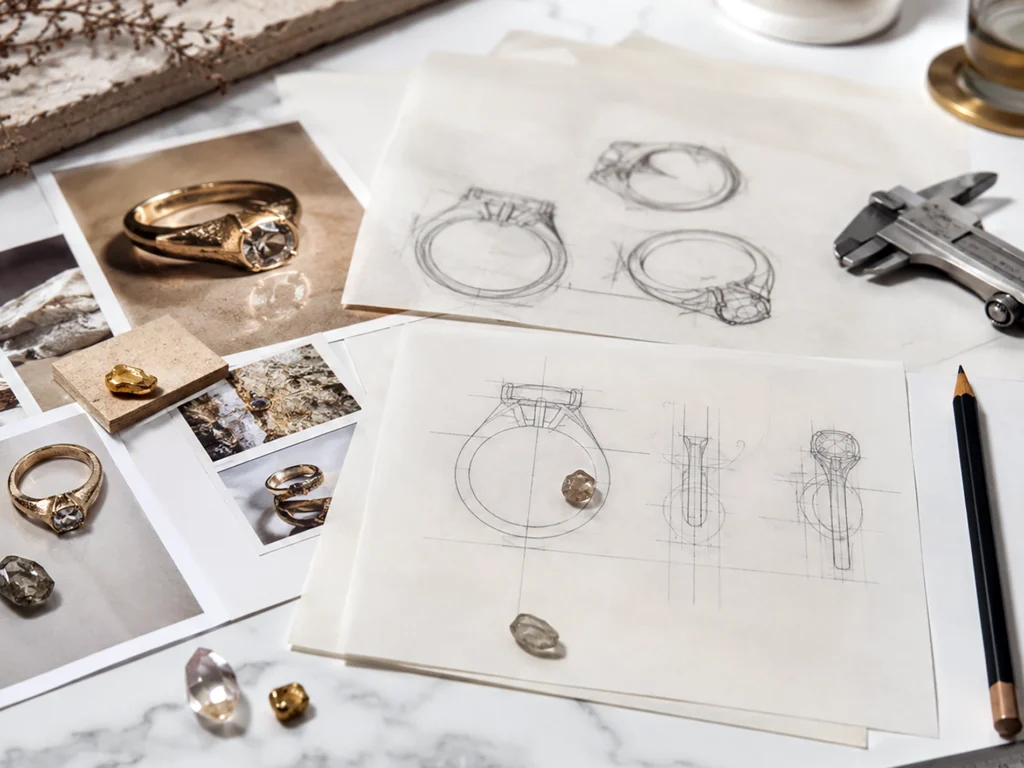
What to do in the event of lost or stolen jewellery: why archives, identification codes, 3D files and documentation can protect bespoke jewellery.

Before choosing an engagement ring, there are important questions to consider: the intended investment, durability, guarantees, bespoke design and the meaning the ring is meant to preserve.

The origins of Saint Valentine and a reflection on gifting: why a bespoke piece of jewellery can become a personal memory, not just a simple present.
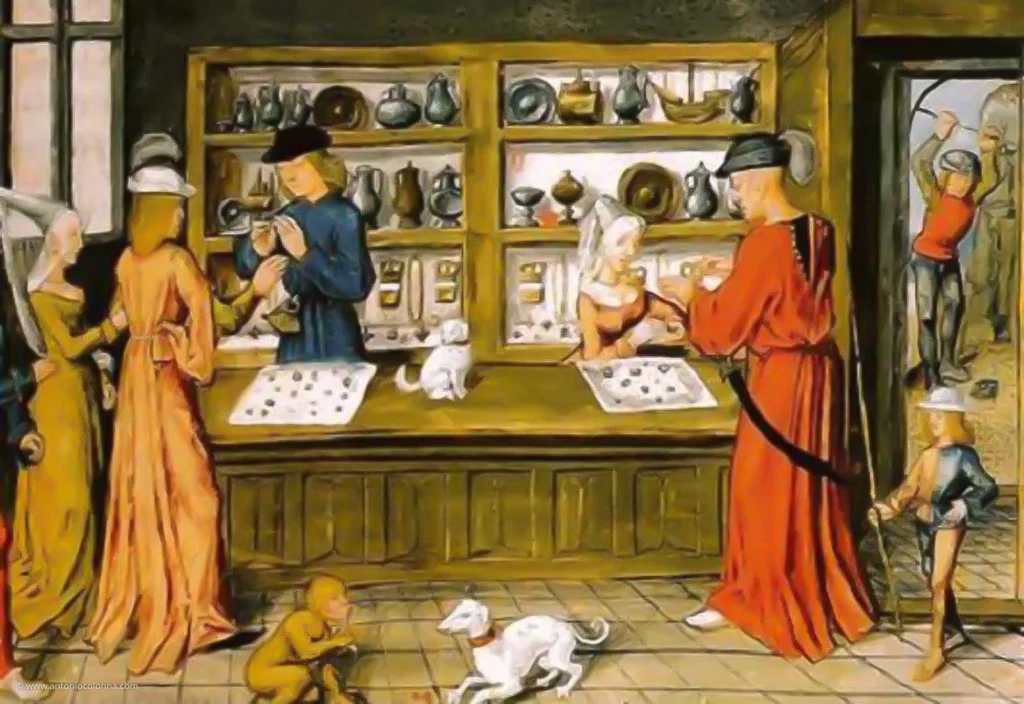
Second part of the history of jewellery: from the Roman era to the Middle Ages, amidst *opus interrasile*, barbarian goldsmithing, religious symbols and new techniques.
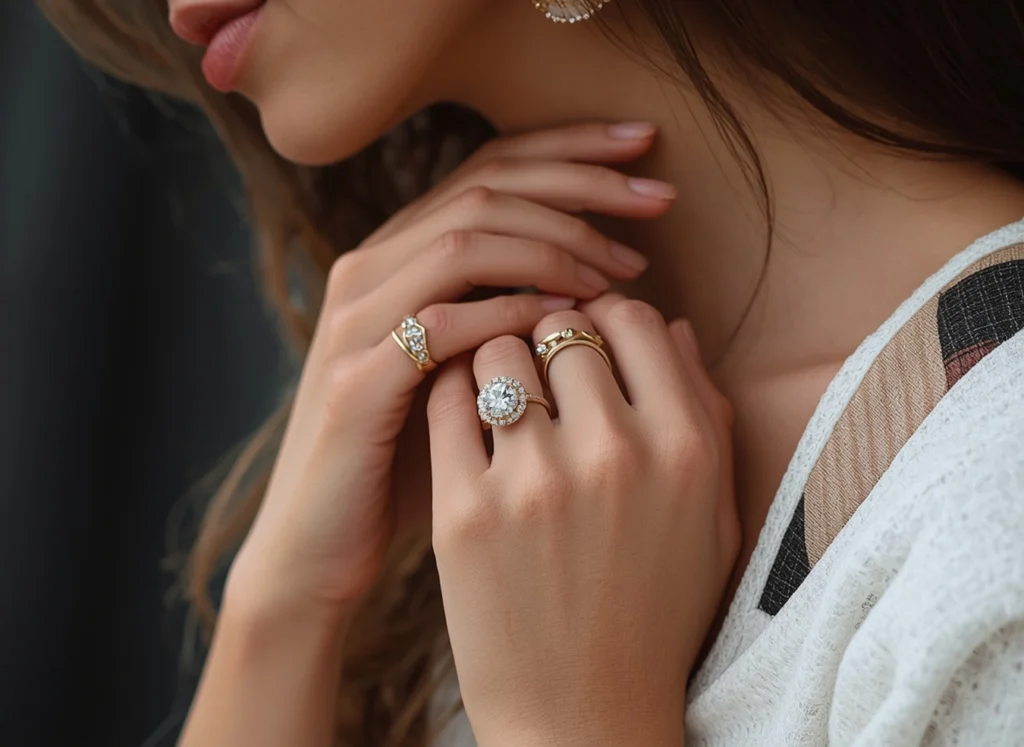
Three reasons to choose a bespoke piece of jewellery: craftsmanship, personal meaning and a design developed around the person who will wear it.