
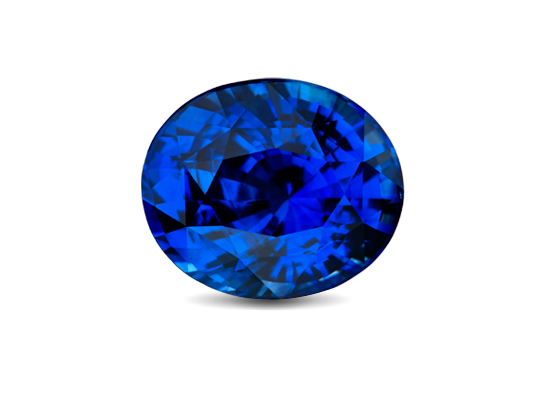
Sapphire: the gemstone of blue and precious colours
Sapphire is one of the easiest gems for a customer to recognise, but also the one most often oversimplified. In the public imagination it is blue; in reality it belongs to the corundum family and can occur in almost any colour, except red, which is called ruby. For this reason, when faced with a sapphire, I do not just look at the hue: I evaluate saturation, uniformity, cut, inclusions, treatments and the intended use of the piece of jewellery.
In the work of selection, the sapphire is a very interesting stone because it combines beauty, durability and symbolic value. It can be regal and classic in a velvety blue, contemporary in a sequence of colours, rare and poetic in padparadscha shades, or mysterious when it displays the star effect.
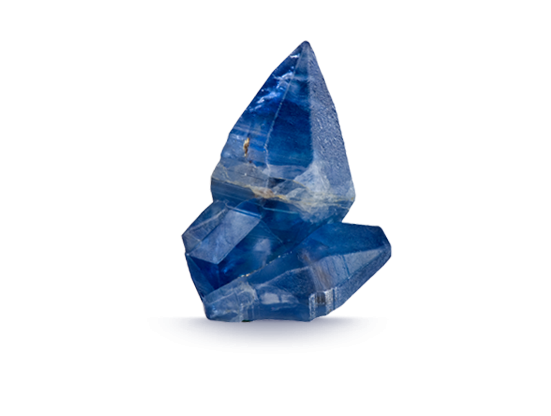
What is the sapphire
From a gemmological point of view, sapphire is a variety of corundum, mineral composed of aluminium oxide, with the formula Al2O3. Red corundum is ruby; all other gem-quality corundums, including the colourless variety, fall within the sapphire family.
Blue sapphire owes its colour mainly to the presence of trace amounts of iron and titanium. Even tiny quantities can modify the colour, and a greater presence of iron can make the blue darker. Chromium, on the other hand, can contribute to the red of ruby or the pink of pink sapphire.
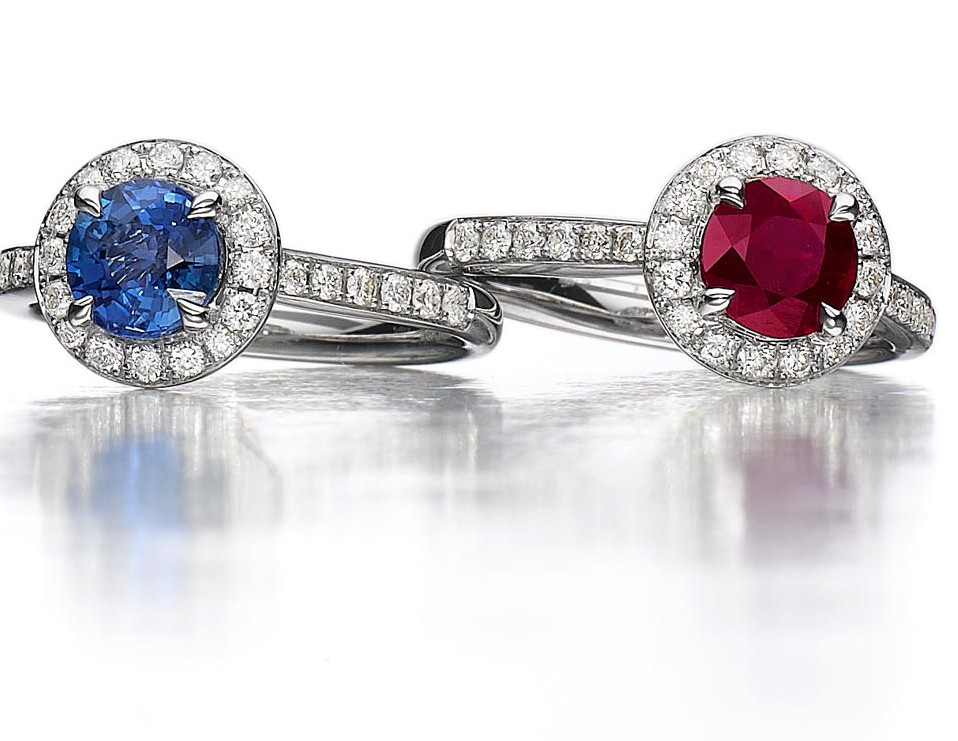
Sapphire colours: not just blue
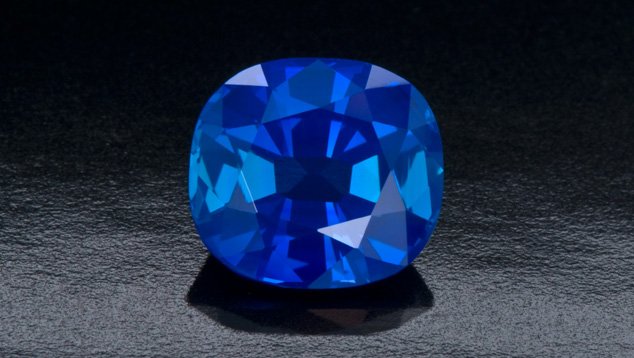
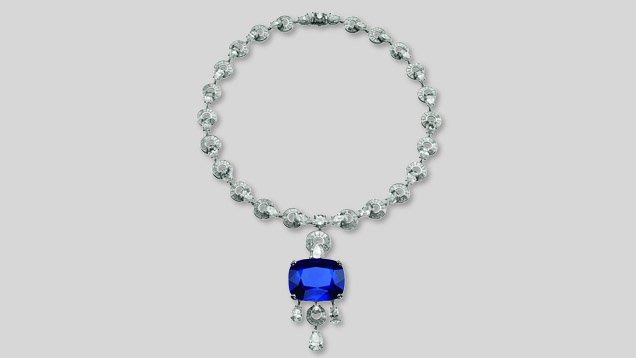
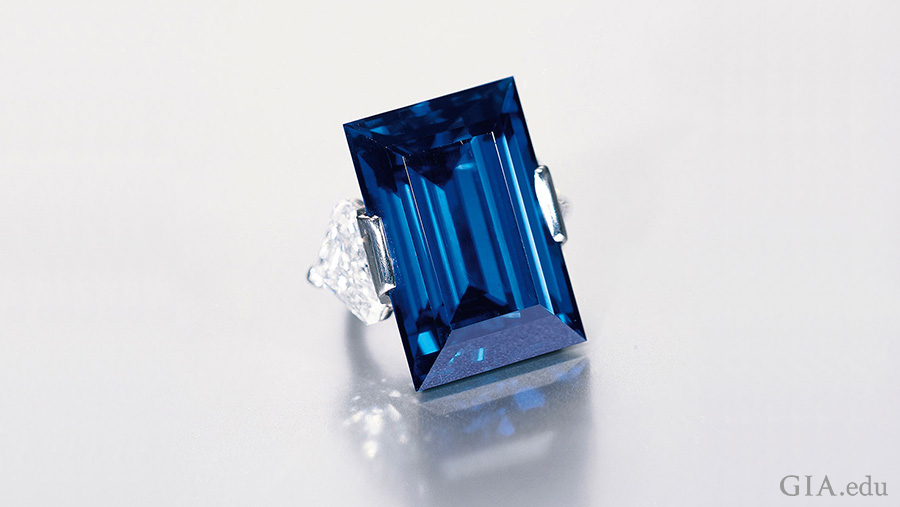
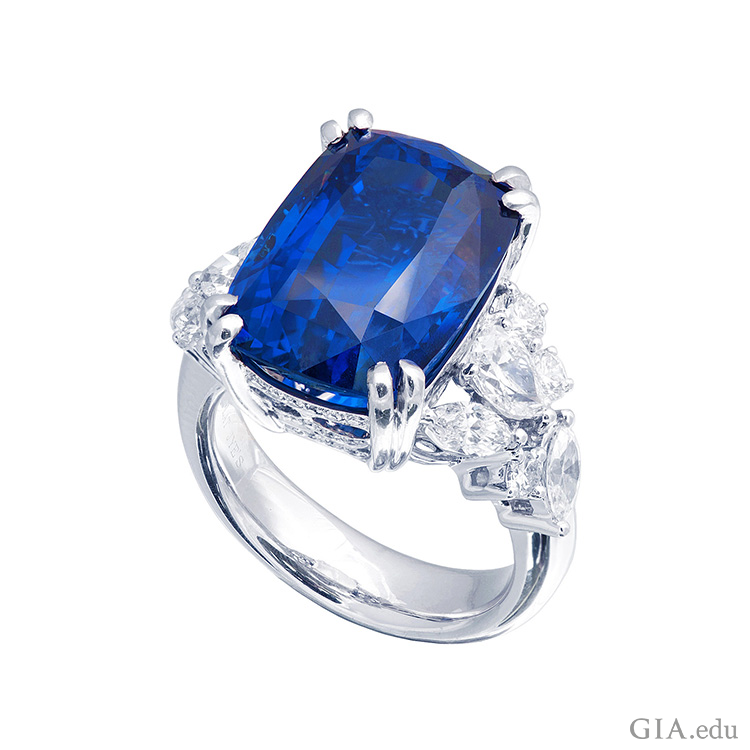
The blue sapphire is the best known and remains the classic benchmark. The most prized blues are generally velvety, ranging from blue to violetish blue, with a medium or medium-dark tone and strong or vivid saturation. If the colour is too light, too dark or visibly greyish, perception and value may decrease.
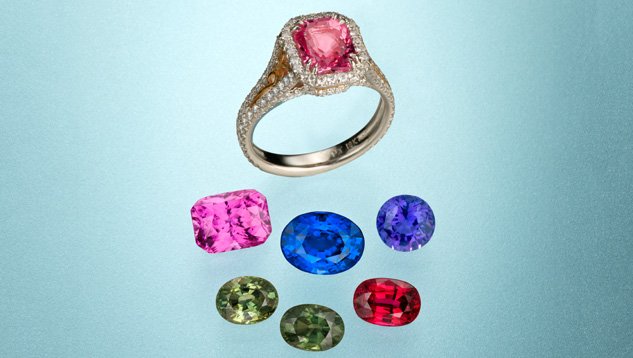
Alongside blue, sapphires exist in other colours, often referred to as fancy sapphires: pink, yellow, orange, green, purple, colourless, black, and intermediate shades. Some are multicoloured, while others change colour depending on the light. This variety allows for the design of less predictable pieces of jewellery, without sacrificing the hardness and nobility of corundum.
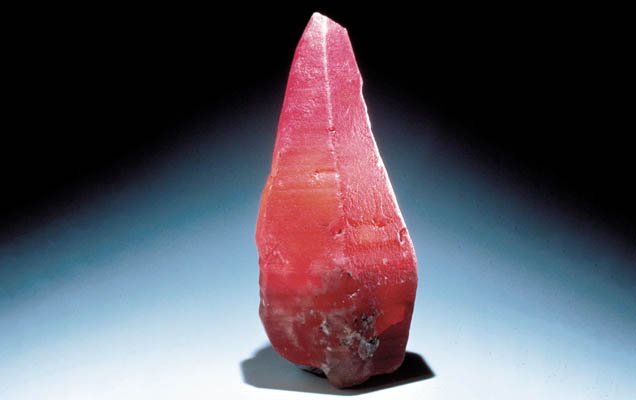
Padparadscha sapphire, star sapphire and colour change
He padparadscha It is a rare and sought-after variety of sapphire with a pink-orange or orange-pink colour. The name is associated with the lotus flower and its charm stems precisely from a hue that is difficult to define: not simply pink, not simply orange, but a delicate and precious chromatic zone.
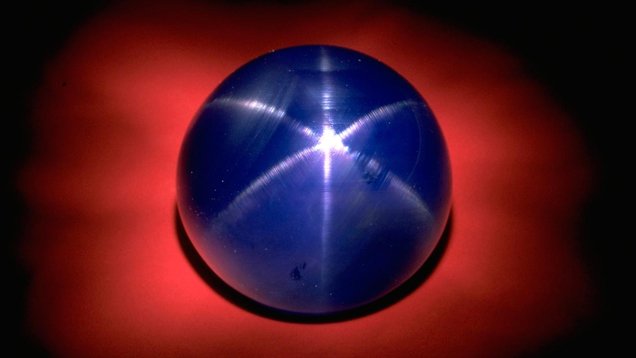
Lo star sapphire displays an optical phenomenon called asterism. Tiny, needle-like oriented inclusions reflect light and create a star on the curved surface of the cabochon. The best star is sharp, centred, visible from a reasonable distance and able to move gracefully when the stone is tilted.
The sapphires to colour change are another fascinating possibility: they can appear blue or purplish under daylight or fluorescent light and more purple or reddish under incandescent light. When evaluated, the strength of the change is described as weak, moderate or strong.
History, Symbolism and Occurrences
The sapphire is traditionally linked to nobility, sincerity, truth and fidelity. It has adorned royal attire and religious vestments for centuries, and the blue of the sapphire has become an aesthetic standard against which many other blue gemstones are compared.
It is the birthstone of September and it is also connected to the 5th and the 45th wedding anniversary. Due to its symbolic value and good durability, the sapphire is one of the most suitable gemstones when you want a Bespoke Engagement Ring with a coloured stone.
Throughout history, the sapphire has also been surrounded by beliefs linked to protection and health. In a modern gemmological article, these should be read as cultural testimonies, not as therapeutic properties.
Origin and deposits
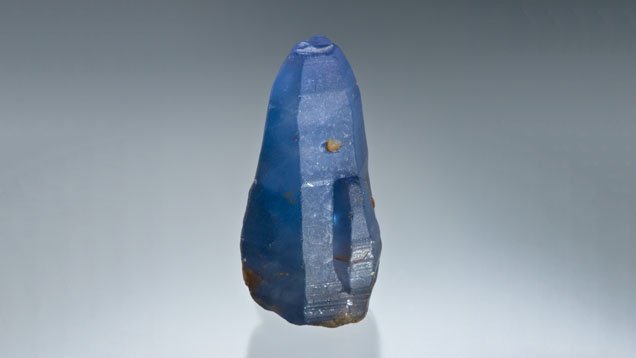
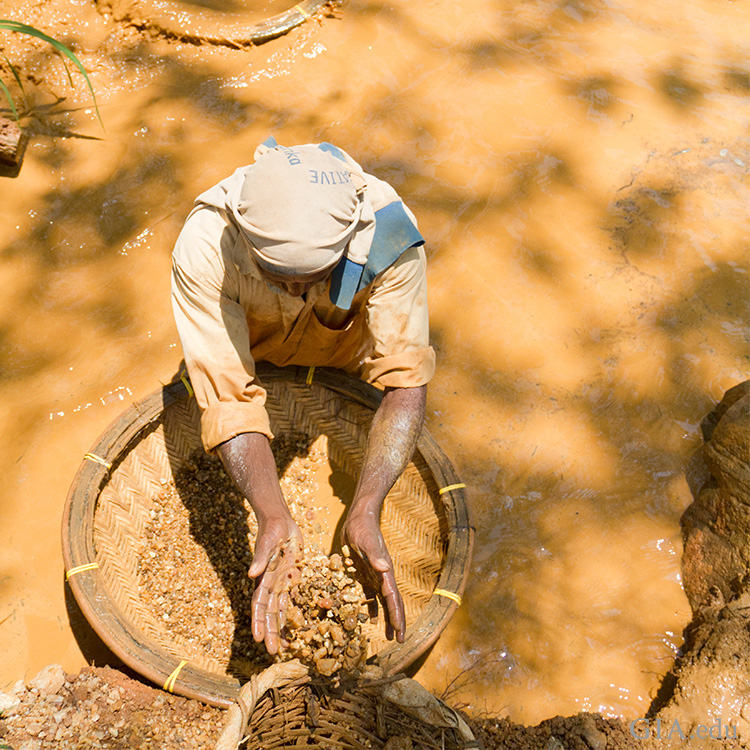
The historically most important sources for sapphire include Kashmir, Myanmar and Sri Lanka. To these are added Australia, Thailand, Cambodia, Madagascar, the United States, Tanzania and other areas of Asia and Africa.
Kashmir is celebrated for sapphires with a velvety, saturated blue; Myanmar, particularly the Mogok area, is known for stones of a rich and intense blue; Sri Lanka offers blue and fancy-coloured sapphires, often mined from alluvial gravels. Thailand plays a significant role both as a source and as a centre for cutting and treatment.
However, when assessing, the name of the origin is not enough. A famous location does not automatically guarantee superior colour and quality: every stone must be examined individually, with attention to colour, clarity, cut, treatments and documentation.

Gemmological technical data of the sapphire
| Property | Data |
|---|---|
| Mineral species | Corundum |
| Chemical formula | Al2O3 |
| Colours | All colours except red, which is ruby |
| Refractive index | 1,760–1,768 |
| Birefringence | 0,008–0,010 |
| Specific gravity | Around 4.00 |
| Mohs hardness | 9 |
| Cleavage | absent |
| Tenacity | Excellent |
| Optical phenomena | Asterism in star sapphires; colour change in some varieties |
Quality factors: how to grade a sapphire
Sapphire is evaluated primarily through colour, clarity, cut and carat weight. To these elements I always add the verification of treatments, because an untreated sapphire, a heated one and one treated with more invasive methods do not have the same commercial significance.

Colour
Colour is the most important factor. In blue sapphires, the most sought-after tones are generally medium to medium-dark, with strong or vivid saturation and a velvety visual feel. A sapphire that is too dark can lose its life; one that is too light can appear less intense. In fancy-coloured sapphires, on the other hand, one must judge the quality of the specific hue: pink, yellow, orange, green or purple have different markets and criteria.


Clarity and inclusions
Blue sapphires often show inclusions, but normally have a higher clarity than rubies. Inclusions can include crystals and partially healed fractures. Separately, colour zoning or colour banding may be present. Needle-like rutile inclusions, called silk, can scatter light and contribute to a velvety appearance; in other cases, if they compromise transparency or durability, they reduce the value.

Star sapphire
In star corundum, a certain quantity of inclusions is necessary to create the star effect. The evaluation changes: one does not look for maximum transparency in an absolute sense, but the best balance between colour, semi-transparency, sharpness of the star and movement of the phenomenon. Too much silk can, however, make the stone cloudy and lower its value.

Cut
The shape of the rough crystal influences the final shape of the sapphire. The lapidary must consider colour zoning, pleochroism, tone and the depth of the stone. In some Sri Lankan sapphires, for example, the colour may be concentrated near the surface of the crystal: the correct orientation of the cut allows the stone to appear uniformly blue when viewed from above.
For star sapphires, the cut must be a cabochon. The dome, symmetry and centring of the star are crucial: if the dome is too low, the star is only visible from the front; if it is too high, the movement can lose grace and the setting becomes more complex.


Carat weight
Blue sapphires can range from small stones to specimens of many carats. Large stones are more readily available than large rubies, but a high-quality blue sapphire of significant size remains rare. For this reason, in fine materials, an increase in weight can have a major impact on the price per carat.


Treatments, synthetics and imitations
Many sapphires are treated to improve colour or clarity. Heat treatment is common, stable and widely accepted in the market, provided it is disclosed. Other treatments, such as lattice diffusion, fracture filling or dyeing, require more attention and can significantly affect value, maintenance and commercial transparency.
Synthetic sapphires exist with chemical, physical and optical properties essentially similar to those of natural sapphire, but grown in a laboratory. There are also imitations, meaning natural or artificial materials used to simulate the appearance of sapphire. For this reason, in a serious purchasing process, documentation and the correct declaration of the material are part of the choice. In my approach, this is part of the journey of Method and Guarantees.
Care and maintenance
Sapphire is a durable gemstone: a Mohs hardness of 9, excellent toughness and no cleavage make it suitable for rings and frequently worn jewellery. This does not mean it is indestructible: heavy knocks, non-protective settings or special treatments may call for caution.
For untreated or heat-treated sapphires only, lukewarm water and mild soap are normally suitable. For dyed or fracture-filled stones, use a damp cloth and follow specific instructions. Ultrasonic and steam cleaning are usually suitable for untreated, heat-treated or lattice diffusion-treated sapphires; fracture-filled or dyed sapphires, on the other hand, should only be cleaned with a damp cloth. Before professional cleaning, it is always advisable to know the treatment.
Sapphire in bespoke jewellery
Sapphire is one of the most versatile gemstones for an Personalised Jewellery. In a ring it can offer resistance and chromatic depth; in a pendant it can become the narrative centre of the design; in earrings or bracelets it allows combinations with diamonds, rubies, emeralds or other coloured gemstones.
When the jewel needs to tell a story, the sapphire also works well as a symbolic gemstone: fidelity, sincerity, birth month, anniversary, promise. For this reason, it can naturally become part of a journey of narrative jewellery.
Common Errors to Avoid
To believe that all sapphires are blue
Blue is the most well-known colour, but sapphire can be pink, yellow, orange, green, purple, colourless, black or multicoloured. Red, on the other hand, belongs to the ruby.
Assess origin only
Kashmir, Myanmar or Sri Lanka are important names, but every gemstone must be judged individually. A prestigious provenance does not replace the analysis of colour, clarity, cut and treatments.
Ignore the treatments
Heat treatment is common and accepted, but other treatments may require special care or affect the value. Before purchasing, you should always ask if the stone has been treated and by what method.
Choosing a frame without considering its use
Even a durable gemstone deserves the right setting. For an everyday ring, especially an important one, proportions, setting and side protection must be carefully designed.
Sapphire FAQ
Is sapphire suitable for an engagement ring?
Yes. Thanks to its high hardness, excellent toughness and lack of cleavage, sapphire is one of the most suitable coloured gemstones for rings. However, a setting consistent with the size, cut and intended use must still be chosen.
Can a sapphire be a colour other than blue?
Yes. All gem-quality non-red corundum are sapphires: they can be pink, yellow, orange, green, purple, colourless, black or multicoloured. Red corundum is ruby.
What is padparadscha sapphire?
It is a rare variety of sapphire with a pink-orange or orange-pink colour. It is highly sought after because it combines delicate colouring, rarity and a strong gemmological identity.
What is a star sapphire?
It is a cabochon-cut sapphire that displays a luminous star on the surface. The phenomenon, called asterism, arises from the reflection of light on tiny oriented inclusions.
How do you clean a sapphire?
For untreated or heat-only treated sapphires, lukewarm water and mild soap are normally suitable. For dyed or fracture-filled stones, use a damp cloth and follow specific instructions. Ultrasound and steam are generally suitable for untreated or heated sapphires, but not for fracture-filled or dyed materials, which should only be cleaned with a damp cloth.
Do you want to choose a sapphire for a bespoke piece of jewellery?
The initial meeting serves to clarify direction, timing, and feasibility. It does not require an immediate decision.
You can continue reading in the section Gemstone Encyclopaedia, comparing the sapphire with other coloured gemstones.
GIA assumes no responsibility for the contents of this article, as the Italian translations have not been checked by GIA. I am not a GIA member and the original content comes from the website www.gia.edu.