
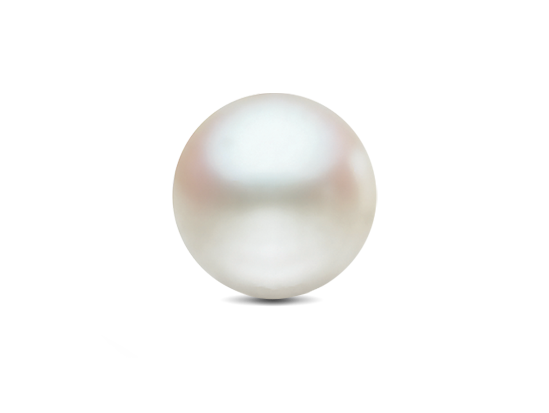
Pearl: the organic gem of lustre
The pearl is a gem unlike any other: it is not born in the heart of the rock, but inside a living mollusc, in salt or fresh water. Its beauty does not depend on transparency or a faceted cut, but on shine, from the surface, shape and quality of the nacreous layer that envelops the nucleus or the tissue from which it develops.
When choosing a pearl for a piece of jewellery, I don’t assess it like a traditional coloured stone. I observe it in motion, check the sharpness of its reflections, the regularity of its surface, its harmony with other pearls, and the relationship between size, colour, and the intended use of the jewellery. A pearl can be classic, essential, baroque, dramatic, or very contemporary: the difference lies in the quality of the selection.
A pearl is a hard object produced within the soft tissue (specifically the mantle) of a living shelled mollusc or another animal, such as a conulariid.
This guide deals mostly with nacreous pearls used in jewellery; non-nacreous pearls also exist. It can form naturally when a mollusc covers a foreign body with nacre, or it can be created through controlled human intervention, as happens with cultured pearls.
Natural pearls are very rare nowadays: they form without human intervention, around a microscopic irritant inside the mollusc. Cultured pearls, however, require human intervention: a technician inserts a nucleus or a fragment of mantle tissue, and the mollusc gradually covers it with layers of nacre.
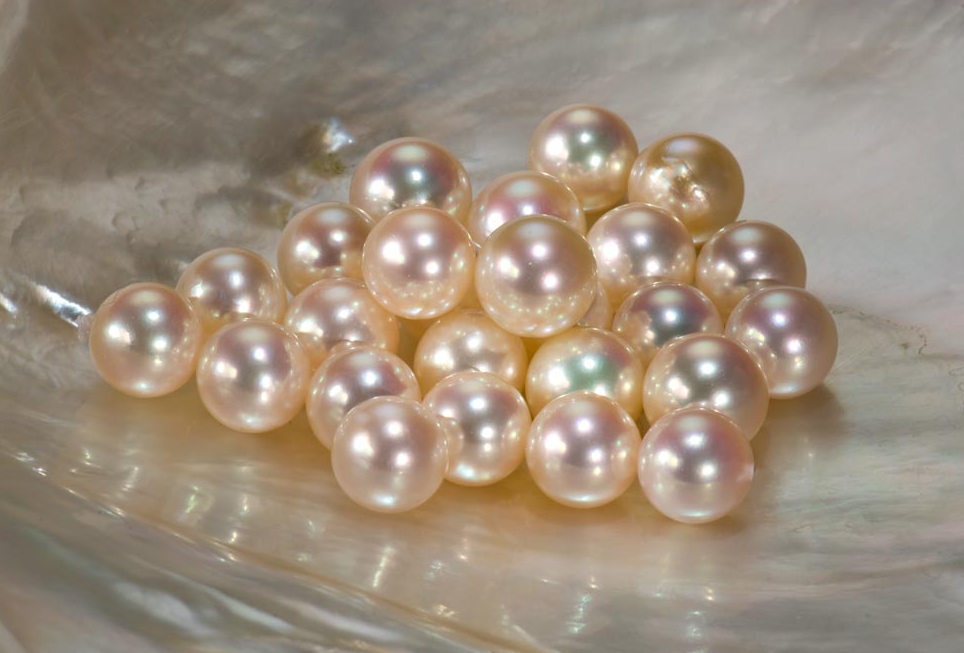
Natural pearls and cultured pearls
The distinction between natural and cultured pearls is fundamental. A natural pearl is formed without any human intervention; a cultured pearl, on the other hand, is born from a guided, controlled process followed in cultivation. This does not mean that a cultured pearl is “fake”: it is still produced by a living mollusc, but its formation is aided by human intervention.
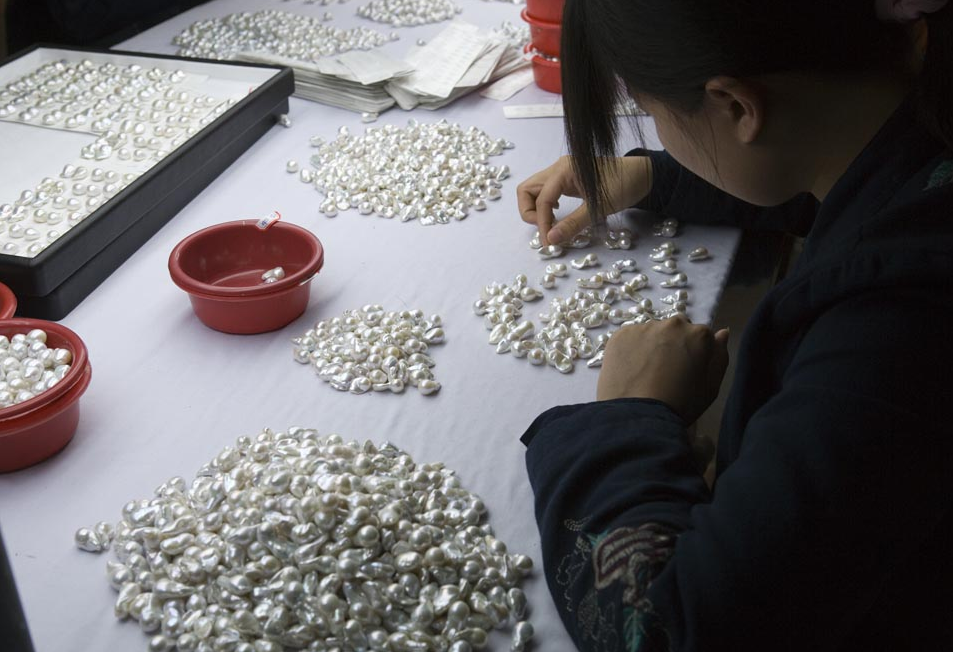
Cultivation has expanded the availability of pearls by colour, shape, size and price. In jewellery, transparency of description is essential: a natural pearl, a cultured pearl, a treated pearl or an imitation do not have the same gemmological meaning nor the same value.
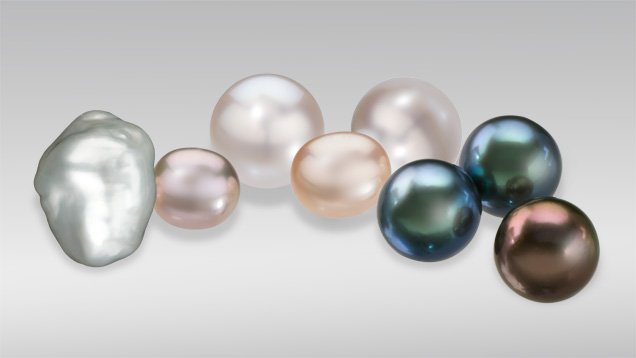
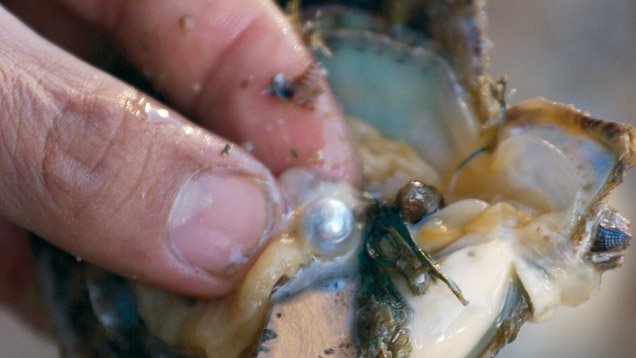
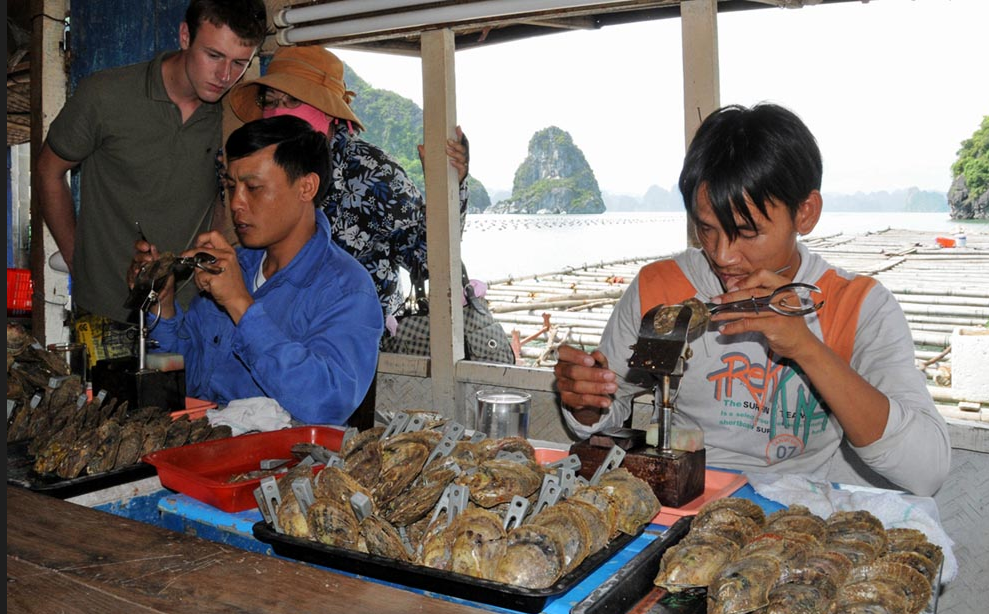
How a cultured pearl is born
In the cultivation process, a specialised technician removes mantle tissue from a mollusc of the same species and inserts it into the host mollusc. For cultured saltwater pearls, a spherical nucleus of nacreous shell is often also used; in many cultured freshwater pearls, only mantle tissue may be used.
The mollusc reacts by coating the inserted element with layers of nacre. The quality of the environment, the health of the mollusc, growth time and farming care all influence the final outcome. A well-formed pearl requires time, selection and favourable water conditions.
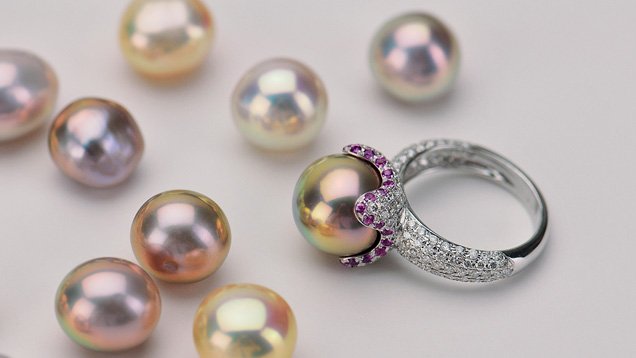
Colours, reflections and the East
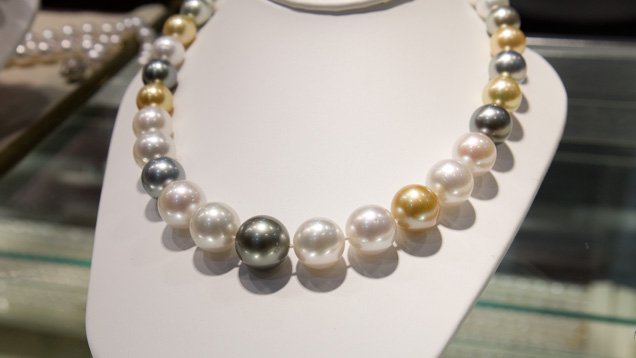
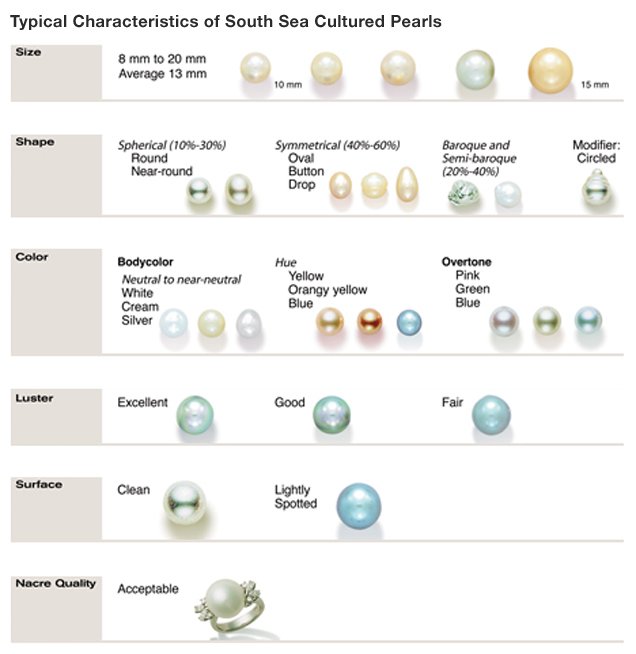
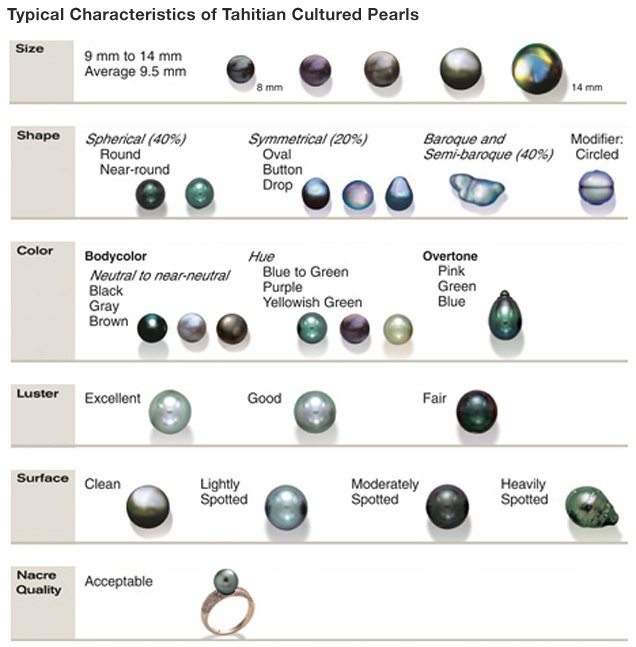
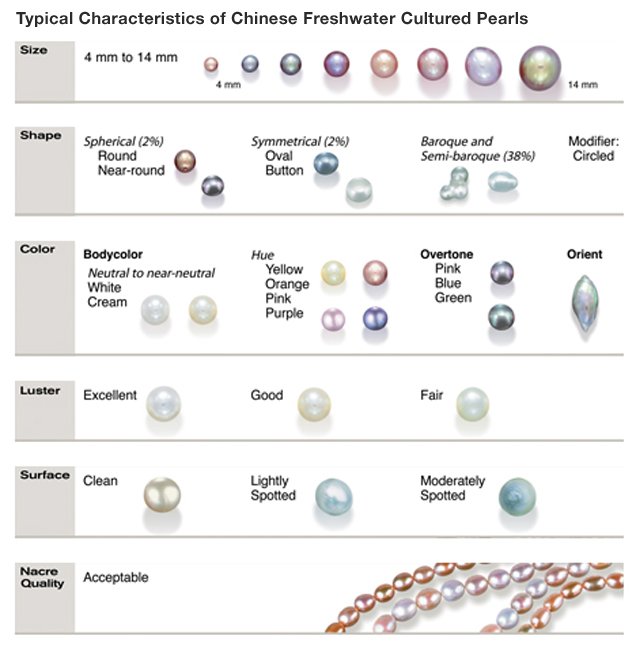
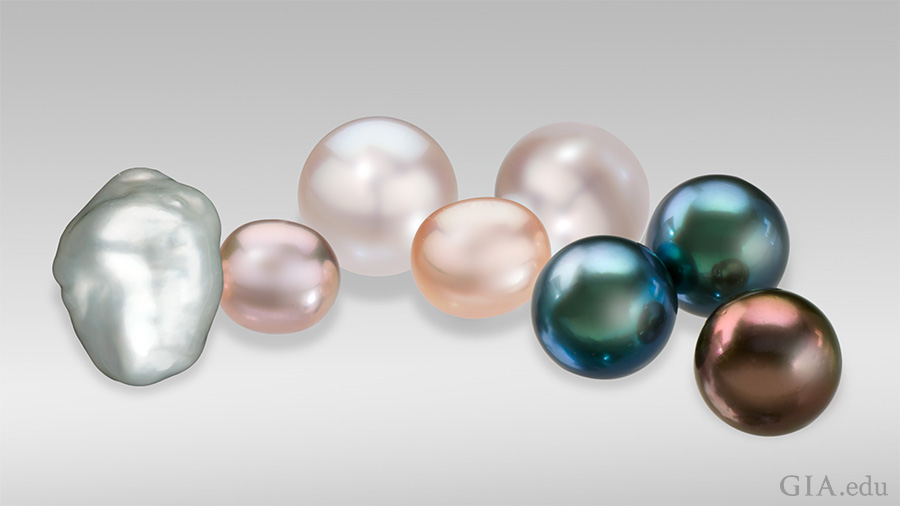
Pearls are not just white or cream-coloured. They can have a white, grey, black, yellow, orange, pink, lavender, green or blue base colour. The main colour may be accompanied by an overtone, meaning a translucent overlaid tint, and sometimes orient, a delicate iridescence that appears on the surface or just beneath it.
When assessing a pearl, I always distinguish between its base colour and its overall appearance. One pearl may appear white but have a pinkish overtone; another may have a dark grey body with green, blue or purple iridescence. Colour should not be chosen solely on the basis of rarity or fashion, but to complement the wearer’s complexion, the metal, the style of the jewellery and the significance of the gift.
Main types of cultured pearls
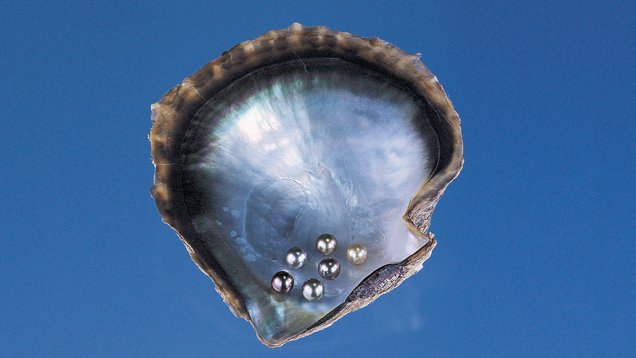
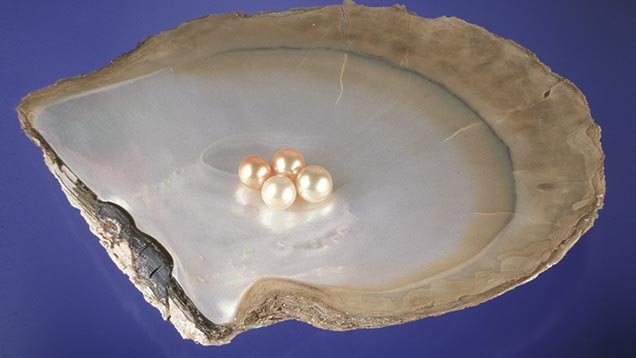
In today's market, you'll primarily find four major families of cultivated whole pearls: Akoya, South Sea, Tahitian, and freshwater. Each family has its own distinct characteristics and slightly different evaluation criteria.
| Type of pearl | Key features |
|---|---|
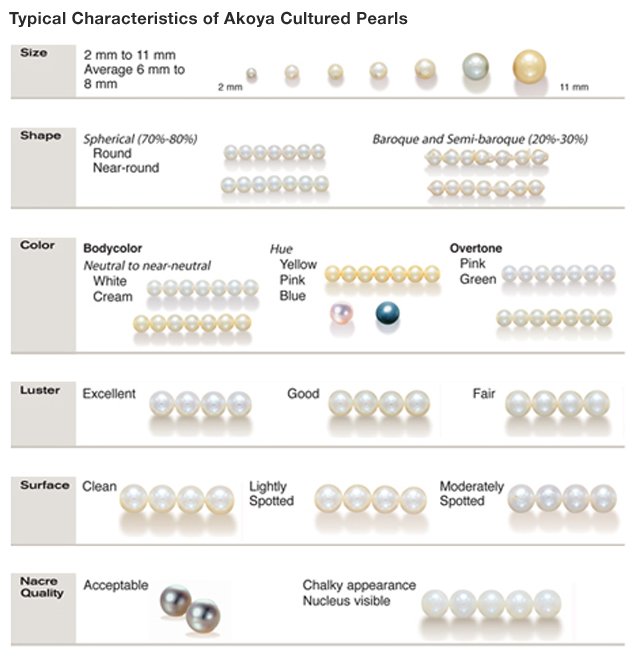
| Akoya cultured pearls | Saltwater pearls, often white or cream-coloured, strongly associated with the classic necklace. |
| South Sea cultured pearls | Produced mainly in Australia, Indonesia and the Philippines, they can be white, silver or gold in colour. |
| Cultured Tahitian pearls | Grown mainly in French Polynesia; often grey, black or brown with coloured highlights. |
| Freshwater cultured pearls | Produced in large quantities, especially in China; wide variety of shapes, sizes and colours. |
History, Symbolism and Occurrences
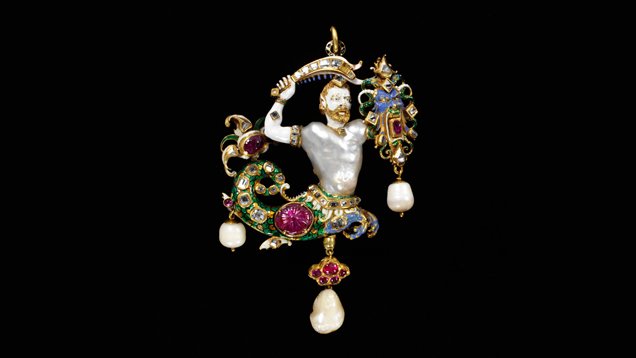
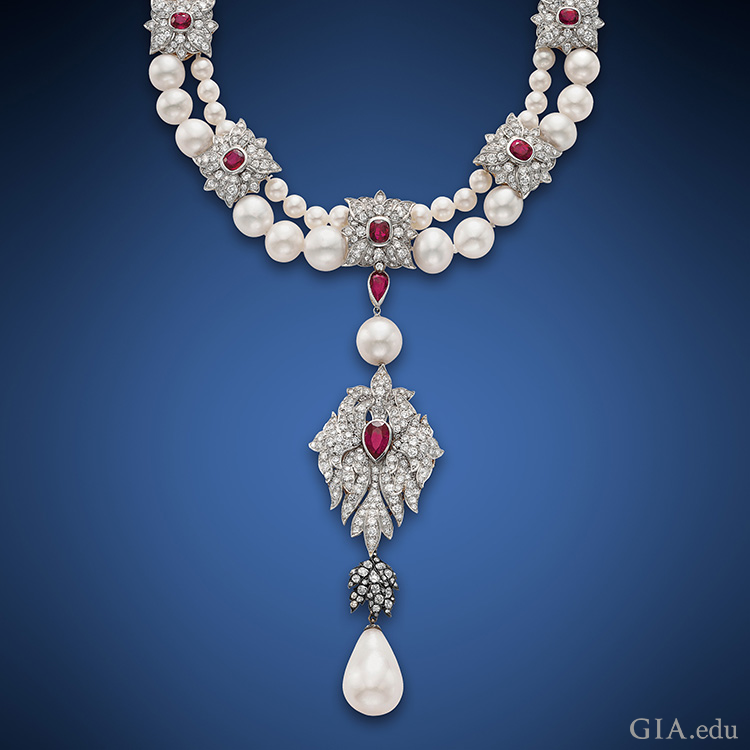
Pearls have been cherished for thousands of years as a symbol of wealth, status, purity, and sophistication. Historical sources mention pearls as far back as ancient China, and for centuries, the great natural pearl beds of the Persian Gulf, Sri Lanka, Chinese rivers, and certain European areas fuelled the desire of the most important courts and families.
The pearl is the June birthstone and is also associated with the 3rd and 30th anniversary. This is why it is often found in wedding gifts, anniversaries, and important family milestones. If a piece of jewellery Narrative Jewellery, because it unites delicacy, memory and presence.
Many cultures have attributed symbolic or legendary meanings to pearls. It is correct to recount these as part of the gem's history, but not as therapeutic properties or proven benefits. In an advisory article, it is always important to distinguish tradition, myth, and verifiable gemological data.
Origins and growing locations
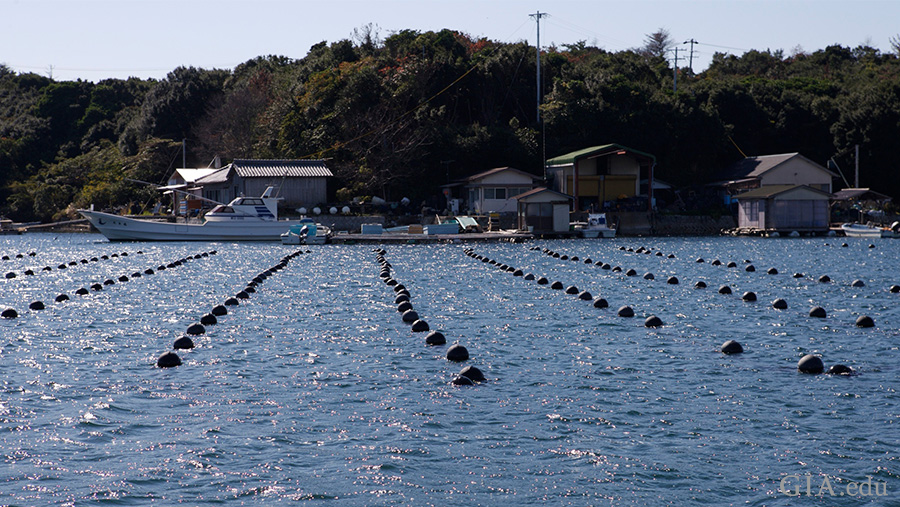
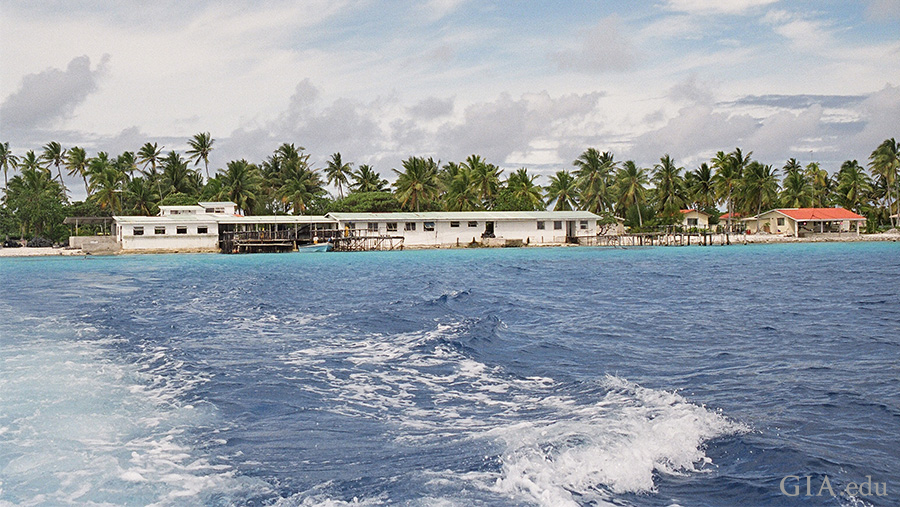
Pearls come from seas, oceans, lakes and rivers. Akoya cultured pearls are produced mainly in Japan and China. South Sea pearls come from areas ranging from northern Australia to Indonesia and Southeast Asia, with an important presence in the Philippines. Tahitian pearls are primarily cultured in French Polynesia, while China is the dominant source for freshwater cultured pearls.
Historically, natural pearls also came from the Persian Gulf, the Red Sea, the Strait of Mannar and the waters off Central America and what is now Venezuela. Today, however, natural supplies are very limited. When buying a pearl, its origin is useful information, but it is not enough: the valuation must always take into account the quality, documentation and overall harmony of the piece of jewellery.
Gemmological data on the pearl
| Property | Indicative data |
|---|---|
| Nature | Organic gem produced by saltwater or freshwater molluscs |
| Composition | Calcium carbonate (aragonite and/or calcite), organic matrix and water. |
| Chemical formula | CaCO3 |
| Colours | White, black, grey, yellow, orange, pink, lavender, green, blue |
| Refractive index | Approximately 1.52–1.66 |
| Specific gravity | Approximately 2.60–2.85 |
| Mohs hardness | Around 2.5–3.0 |
| Cleavage | Not applicable to the pearl as a whole, which is a biogenic composite. |
| Durability | Delicate: sensitive to scratches, knocks, chemicals, cosmetics and excessive dryness |
Quality factors: how to assess a pearl
The valuation of a natural or cultured pearl is based on seven factors: dimension, form, colour, shine, Surface quality, mother-of-pearl layer quality and in jewellery with more pearls, pairing. When selecting pearls, I consider these aspects together, because a large but dull pearl may be less appealing than a smaller one that is vibrant, lustrous and well-proportioned.

Size
All other factors being equal, larger pearls of the same type are generally rarer and more valuable. The size, however, must be in harmony with the piece of jewellery: a large pearl requires a proportionate setting and should be worn appropriately.


Shape
The perfectly round shape is among the most difficult to achieve and, other factors being equal, tends to be highly sought after. However, a well-formed drop-shaped, oval or baroque pearl can have extraordinary aesthetic value. In a Personalised Jewellery, the irregular shape is not an automatic defect: it can become the starting point of the design.

Colour
The colour of the pearl includes the body colour, any overtones and the orient. White and cream shades remain the most classic, but golden, grey, black, pinkish, green or purple pearls can offer very elegant results when they are matched with the right metal and skin tone.


Brilliance
Lustre is often the most important factor. A high-quality pearl reflects bright, vivid and sharp highlights; a weak pearl shows dull, blurred or milky reflections. When I compare two pearls, I always observe how clean the reflection is: that is where the pearl reveals its quality.


Surface and nacreous layer
Virtually no pearl is perfect. Minor irregularities, abrasions, folds or flattened areas are common. When the marks are few or barely visible, they have less impact; when they are deep or numerous, they can reduce beauty, durability and value.
The quality of the nacreous layer is closely linked to the lustre. If the nucleus is visible beneath the nacreous layer, or if the pearl appears chalky and dull, durability and beauty may be compromised.
Pairing
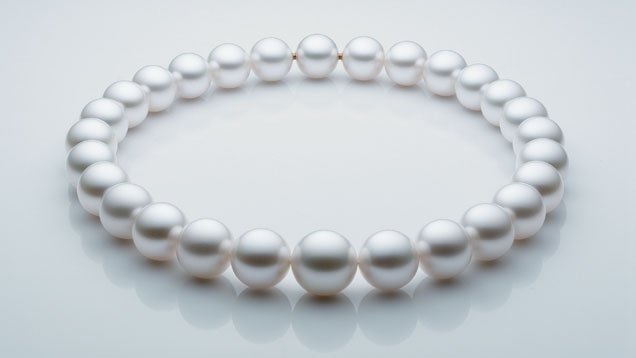
In necklaces, earrings, and multi-pearl jewellery, matching is decisive. The pearls must harmonise with one another in terms of size, shape, colour, lustre, and surface. Sometimes a designer deliberately chooses different pearls for a creative effect; but in a classic strand, the overall harmony is an essential part of the value.
Treatments, imitations and documentation
Pearls can be selected, worked and sometimes treated to improve their colour or appearance. Imitations also exist that attempt to reproduce the visual effect of a pearl. For this reason, before purchasing, it is important to always ask for a clear description: natural or cultured, saltwater or freshwater, any treatments, stated origin and available documentation.
As part of Method and Guarantees, this clarity is part of the choice: there is no need to turn every purchase into a complex appraisal, but you do need to know exactly what you are choosing.
Use of the pearl in bespoke jewellery
The pearl is perfect for necklaces, earrings, pendants, brooches and formal jewellery. It can be classic, like an Akoya strand, or highly personal, such as a baroque pearl set within a contemporary design. In wedding and anniversary jewellery it retains a special symbolic power, especially when the piece is designed to accompany a family history or a promise.
For rings and jewellery that are very exposed to knocks, the pearl requires care. Its hardness is low compared to many gemstones, so the setting must protect the gem and usage must be mindful. For a journey connected to a wedding or an anniversary, it can also harmonise well with the world Wedding, especially in earrings, pendants or matching details.
Care and maintenance of pearls
Pearls are delicate. With a hardness of around 2.5–3 on the Mohs scale, they can easily be scratched if stored together with metals or harder gems. They should be kept separately in a soft pouch, avoiding plastic bags which could damage their surface.
I advise putting them on after applying perfume, hairspray, creams and cosmetics. After use, it is a good idea to wipe them with a soft, slightly damp cloth. I would avoid harsh detergents, ultrasound, steam and unnecessary immersion. A fine pearl can last a long time, but it must be treated like a living and sensitive material.
Common Errors to Avoid
Assess only the roundness
The round shape is precious, but it is not enough. Lustre, surface, nacreous layer and matching can count just as much, if not more.
Confuse a cultured pearl with an imitation
A cultured pearl is produced by a mollusc; an imitation merely seeks to copy its appearance. They are different categories and must be declared correctly.
Wearing pearls without paying attention to cosmetics
Perfumes, hairsprays and chemicals can damage the surface. Pearls should be put on as a final touch and gently cleaned after use.
Choose a thread without evaluating the match
In a necklace, every pearl must converse with the others. Excessive differences in colour, lustre or size can break the harmony of the piece of jewellery.
Pearl FAQ
Is the pearl a precious stone?
It is an organic gemstone. It does not originate as a crystalline mineral, but inside a living mollusc; for this reason it requires specific evaluation and care criteria.
What is the difference between a natural pearl and a cultured pearl?
Natural pearls form without human intervention. Cultured pearls, on the other hand, originate from controlled intervention, but are still produced by the mollusc through the deposition of layers of nacre.
What is the most important factor in the evaluation of a pearl?
Lustre is often the most important factor, because it gives the pearl depth, life and visual quality. However, it must be evaluated alongside the surface, shape, colour, size, nacre layer and matching.
Are pearls suitable for everyday wear?
They can be, but with care. They are soft and sensitive gemstones, so it is best to avoid knocks, scratches, harsh cosmetics, and storing them together with other jewellery.
How do you clean pearls?
With a soft, slightly damp cloth, ideally after every use. No harsh products are needed: the safest maintenance is simple and gentle.
Do you want to choose a pearl for a bespoke piece of jewellery?
The initial meeting serves to clarify direction, timing, and feasibility. It does not require an immediate decision.
The GIA assumes no responsibility for the content of this article, as the Italian translations have not been checked by the GIA. I am not a GIA associate and the original reference content comes from the site www.gia.edu.