Hand wax modelling course
In person at the atelier · Maximum 3 participants
For beginners and experienced students
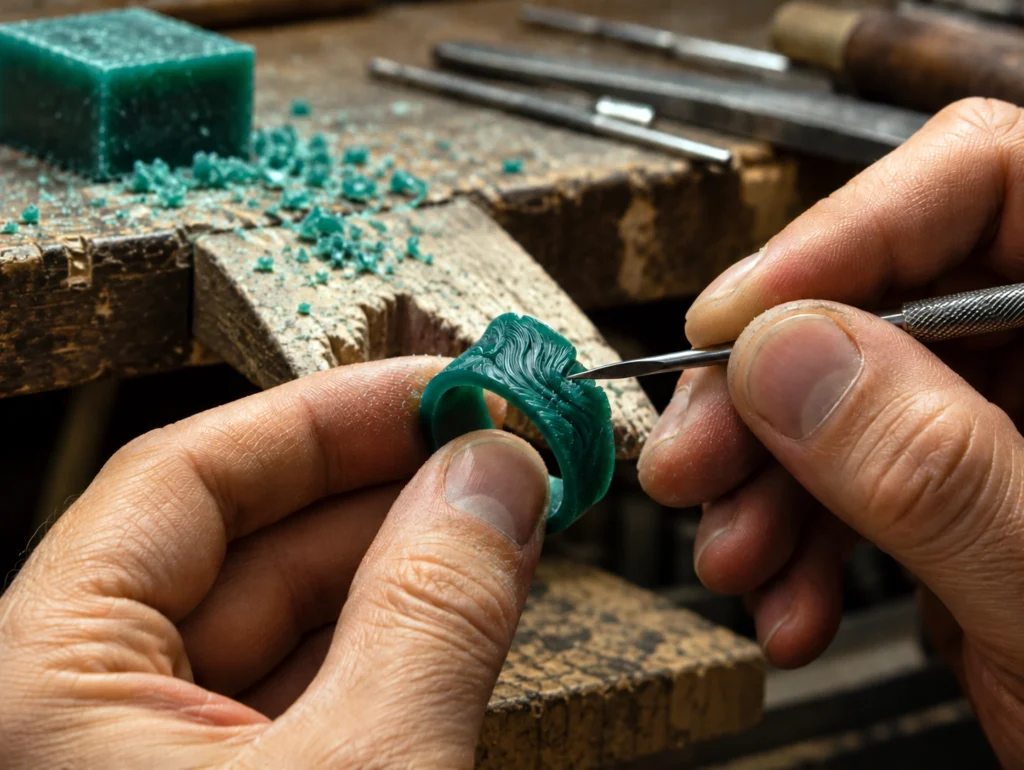
Hand wax modelling allows you to shape a piece of jewellery by working directly on the volumes, proportions, and details.
In my jewelry workshop, wax modeling is part of the creative and production process through which an idea takes shape. Before turning a model into metal, it is important to evaluate not only its aesthetic appearance, but also its proportions, thicknesses, and details that will influence subsequent processes.
During the course, I guide you through the process from the initial shaping of the volumes through to finishing the wax model, sharing the knowledge and assessments I use in my daily work.
The lessons are aimed at both beginners and experienced people and are held with a maximum of three participants, following a program tailored to individual skills and goals.
Course program
The exercises are selected before the start of the course, depending on the experience and the number of hours chosen.
The program may include:
Understanding the types of wax used in jewellery-making and choosing suitable materials.
Model preparation and volume setting.
Modelling through the removal and addition of material.
Control of proportions, thicknesses and details.
Creation of geometric and organic shapes.
Surface finishing and model correction.
Assessing the wax model in preparation for casting.
In the shorter courses, we focus our work on specific objectives. In the longer courses, we can develop different models, repeat the exercises, and tackle increasing technical difficulties.
How the lessons are conducted
We work directly on the wax, going from the shaping of the form to checking the details. Each exercise is accompanied by practical demonstrations and review sessions. I help you identify proportion errors, correct the thicknesses, and improve the quality of the model.
The lessons are limited to a maximum of three participants, to allow for direct comparison during each phase of the modeling process. We work on the ability to observe and correct the model, understanding how the choices made on the wax can influence subsequent jewelry making processes.
If you would like to know about my professional experience and my working method, please visit the page. About.
Intensive schedule
Classes are held for eight hours, with a separate lunch break, concentrated on the agreed days. The schedule is determined based on the chosen number of hours.
Standard schedule
Two weekly sessions of four hours each. Dates and times are agreed upon before registration.
Duration and fees
The 80-hour course focuses on an agreed training programme. The 160-hour course offers more time to develop models, refine techniques, and practice with different technical difficulties. The standard and intensive frequencies can be chosen by both beginners and experienced participants.
Fees are per participant. Materials and any personal tools are charged separately.
Materials and equipment
The fee includes the lessons and the use of the studio’s stations and equipment as provided in the program. Materials for the exercises and any personal tools are at your own expense. Before enrolling, you will receive a list of the necessary materials and their costs. The course covers the manual modeling of jewelry in wax.
To learn about the stages following wax modelling and to deepen your understanding of the transformation of the model into metal, you can also follow the following steps: Lost-wax casting course.
Type
Hours
Fee
Standard
160
5.500 €
Intensive
80
4.500 €
Intensive
160
8.000 €
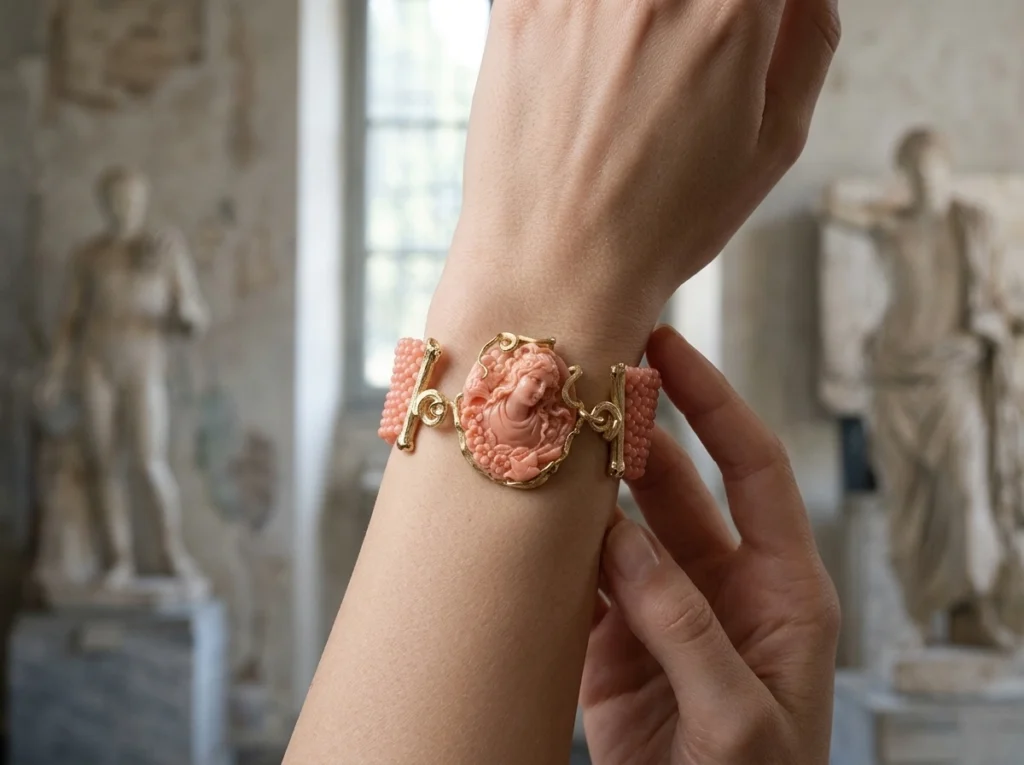
Getting to know your instructor's work is a good place to start. In my gallery of bespoke creations, you can explore pieces of jewellery I have personally designed and made, and see how research, technical expertise and craftsmanship come together in each creation.
Whether you want to refine your skills or dream of becoming a goldsmith, these pieces offer a closer look at my experience and my approach to the craft.
Before choosing a course, discover my creations
The experience of those who chose my atelier
The reviews collected over time tell the story of my work as a master jeweler, my direct relationship with clients, and the artisanal experiences I have had in my studio.
They do not refer to these new training courses, but they allow you to know the attention I pay to people, the care I take in the processes, and my way of sharing my craft. You can consult them through the platforms indicated below.




Frequently asked questions about the manual wax modeling course
Can I participate without any experience?
Yes. The program can begin with knowledge of the material and the main modeling tools, through progressive exercises.
Will I make a finished piece of metal jewellery during the course?
The course is dedicated to the creation and finishing of wax models. Their transformation into metal is not included in the training fee. If you wish to learn about this phase as well, you can deepen your knowledge through the following course: Lost-wax casting course.
What is the difference between 80 and 160 hours?
The 80-hour course focuses training on the agreed objectives. The 160-hour course allows more time for practice, the development of different models, and the deepening of modeling techniques.
Let's plan your wax modelling training
Tell me about your experience, the forms and techniques of modeling you would like to deepen and the period in which you would like to attend.
During a first meeting, we will define the program, the number of hours, the schedule, and the necessary materials, before proceeding with the registration.
Other courses to explore
Wax modeling is one of the stages through which an idea can turn into a jewel. To learn about the process that allows you to create an object made of metal starting from a model, discover the Lost-wax casting course.
If you want to develop your skills in the construction, assembly, and finishing of jewelry as well, you can deepen your knowledge in these areas. Bench goldsmithing course.
Also consult all training courses to learn about the other disciplines taught in my jewelry shop.