3D jewellery design, modelling and rendering course
In person at the atelier or online
Individual lessons in Cinema 4D · ZBrush · KeyShot
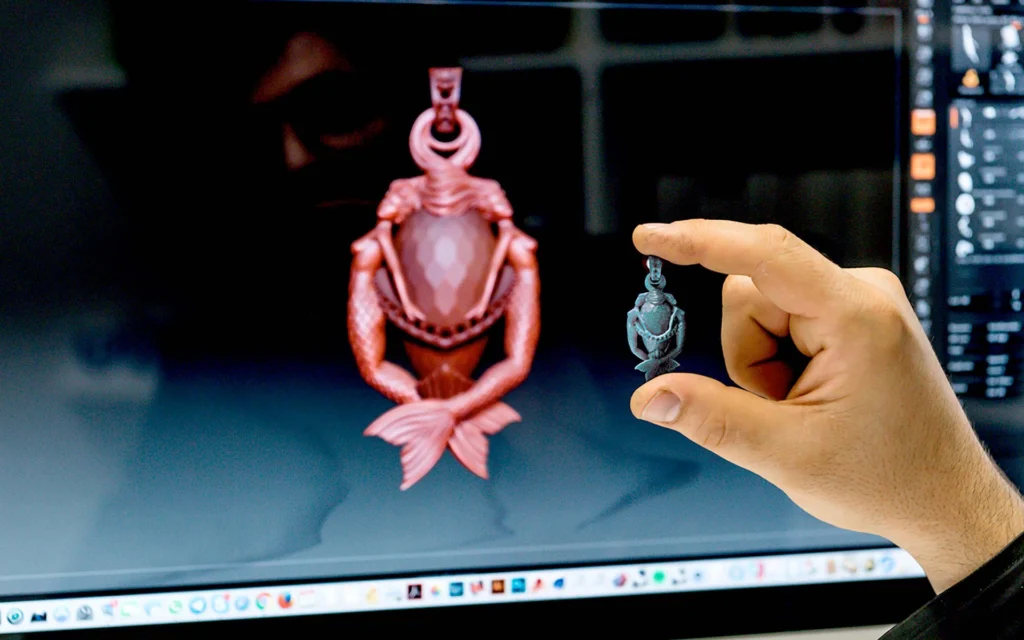
Digital design allows you to transform an idea into a three-dimensional model, explore its shapes, develop the details, and create realistic renders to present a piece of jewellery before it is made.
In my goldsmith's workshop, digital design is part of the process through which an idea is studied and transformed into a jewel. Working in 3D not only means learning to use software, but also understanding how shapes, proportions, details, and design choices can influence the subsequent physical production.
Through an individual course, I guide you in the use of Cinema 4D, ZBrush, and KeyShot, connecting digital tools to my daily experience in designing and creating custom jewelry.
The course is aimed at beginners, designers, jewellers, and professionals who wish to deepen their specific skills. The lessons are individual and can take place in my atelier or online, according to the agreed program.
Course program
The course connects three-dimensional modeling, digital sculpture, and rendering through exercises applied to jewelry design.
Before the start, we define your starting level, goals, and the project to be developed. The 50 hours are distributed among the software and activities in relation to the skills you wish to acquire.
Modelling with Cinema 4D
Cinema 4D is used to develop the three-dimensional structure of the jewel and study its formal characteristics.
The exercises may include:
Introduction to the interface and the modeling tools.
Construction and modification of three-dimensional shapes.
Study of proportions and volumes.
Modelling of components and structures of the jewel.
Object organization and project management.
Preparation of the model for subsequent digital processing.
Digital sculpture with ZBrush
ZBrush is used to develop organic shapes, sculpted surfaces, bas-reliefs, and ornamental details that require greater freedom of expression than traditional geometric modeling.
The exercises may include:
Introduction to the interface and tools of digital sculpture.
Knowledge of brushes and the main methods of modifying the surface.
Development of organic shapes and three-dimensional volumes.
Creation of bas-reliefs, textures and decorative details applied to the jewel.
Control of proportions, volumes and details.
Surface finishing and revision of the digital model.
Preparation and export of the models for subsequent digital processing.
The work is adapted to the type of jewel and the objectives of the project, taking into account the characteristics that will have to be evaluated before any physical implementation.
Rendering with KeyShot
KeyShot is used to create presentation images of the jewelry, studying the appearance of the materials and the lighting conditions.
The exercises may include:
Importing and organizing three-dimensional models.
Applying and adjusting materials.
Representation of metallic surfaces.
Setting up the lighting and environment.
Selecting camera angles.
Creating and refining jewellery renders.
The program may also include the revision of the files and the organization of the digital material produced during the course.
How the lessons are conducted
The training is exclusively individual: during each lesson we work together on the project, alternating explanations, demonstrations and practical exercises. We start from your experience with digital tools and the type of jewelry you want to design.
If you are a beginner, the course includes the knowledge of the interfaces and functions necessary to start modeling. If you already have experience, we can focus on specific techniques or the difficulties you encounter in your work. The lessons use three complementary software applications. The distribution of hours is agreed upon in relation to the project and the educational objectives.
The aim of the 50-hour course is to develop the agreed project and establish a sound working method, rather than cover every feature of the three software applications.
Intensive schedule
Individual lessons focused over a shorter period, according to a personalized schedule. Both modalities provide a total of 50 hours of training.
Standard schedule
Individual lessons distributed over time, with dates and duration of the meetings agreed upon before enrollment.
Duration and fees
The fee refers to the entire 50-hour individual course. The schedule is determined before enrollment, taking into account your availability, initial experience, and the project to be developed. The agreed upon program also establishes how to distribute the hours between Cinema 4D, ZBrush, and KeyShot.
Materials and equipment
The fee includes the 50 hours of individual training. If you attend in person, you will be able to use the workshop equipment provided in the program.
For the exercises, you need to have a personal computer suitable for the software used. Before registration, we will check together the technical requirements, the versions of Cinema 4D, ZBrush and KeyShot, the availability of licenses and any additional costs.
If you choose online training, the lessons will be delivered remotely via agreed individual sessions. You will also need to have an adequate internet connection.
The course is dedicated to the design, modeling, and digital representation of jewelry. Any physical prototypes, three-dimensional prints, or subsequent production processes are not included in the tuition fee and may be evaluated separately.
Type
Hours
Fee
Individual, standard or intensive
50
7.500 €
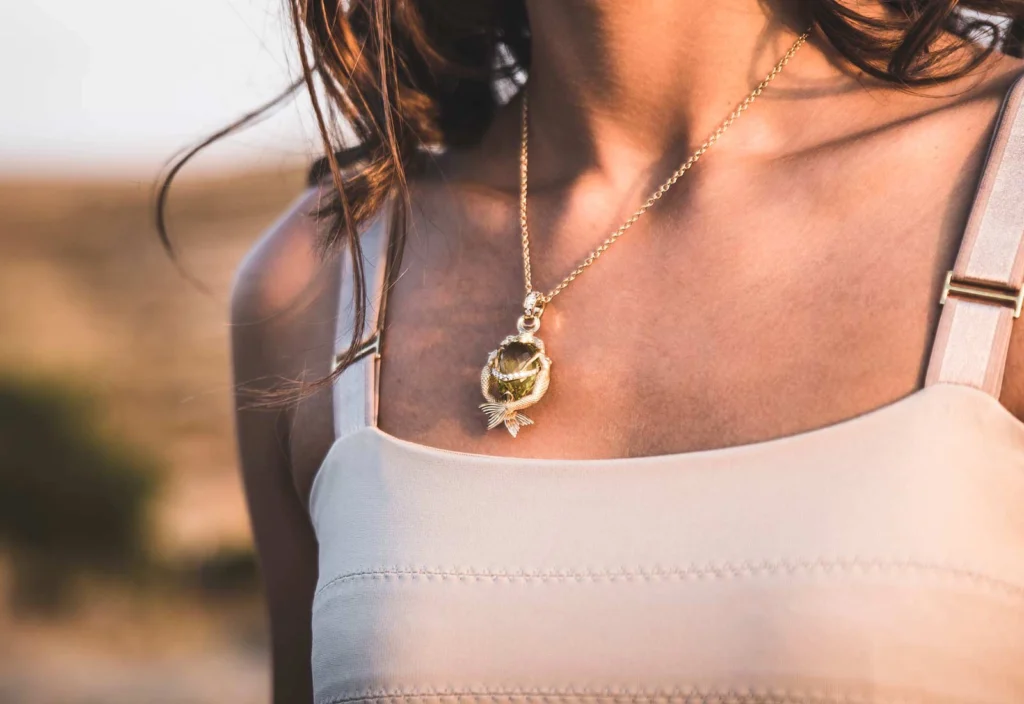
Getting to know your instructor's work is a good place to start. In my gallery of bespoke creations, you can explore pieces of jewellery I have personally designed and made, and see how research, technical expertise and craftsmanship come together in each creation.
Whether you want to refine your skills or dream of becoming a goldsmith, these pieces offer a closer look at my experience and my approach to the craft.
Before choosing a course, discover my creations
The experience of those who chose my atelier
The reviews collected over time tell the story of my work as a master jeweler, my direct relationship with clients, and the artisanal experiences I have had in my studio.
They do not refer to these new training courses, but they allow you to know the attention I pay to people, the care I take in the processes, and my way of sharing my craft. You can consult them through the platforms indicated below.




Frequently asked questions about the 3D modelling and rendering course
Can I participate even if I don't know the software?
Yes. The course can be set up from the basics, gradually introducing the tools necessary for the exercises. The program is adapted to your experience and the agreed objectives.
Do I need to know all three programs?
No. Before enrolling, we assess your skills and determine how to allocate the hours between Cinema 4D, ZBrush, and KeyShot. The course can focus more on one or more aspects of digital design, depending on your needs.
Do I need my own computer?
Yes. The exercises involve using your personal computer, both in the studio and online. Before enrolling, we will verify the hardware and software requirements necessary to follow the agreed program.
Will I have a finished physical piece of jewellery at the end of the course?
The course is dedicated to the digital development of the project and its three-dimensional representation. The physical creation of the jewel is not automatically included. Any subsequent work may be agreed upon separately.
Can I choose an intensive schedule?
Yes. The schedule of individual lessons can be spread out over time or concentrated into a shorter period, while maintaining the total of 50 hours.
Let's plan your 3D jewellery design training
Tell me about your experience in digital design, the software you already know, and the skills you would like to develop.
During a first meeting, we will evaluate the project to be worked on, the distribution of the 50 hours between Cinema 4D, ZBrush and KeyShot, the lesson schedule, and the necessary technical requirements.
In this way we will be able to define the path before registration.
Other courses to explore
Digital design is one of the possibilities through which a jewel takes shape. If you wish to explore the direct relationship with volumes and materials, you can delve deeper into the subject. Hand wax modelling course.
To learn about the steps that allow a model to be transformed into metal, discover the Lost-wax casting course.
Also consult all training courses to explore the other disciplines taught in my goldsmith's workshop.