
The maintenance of precious items is important, especially when it comes to jewellery that accompanies significant moments in life.
However, you don't always have the immediate opportunity to entrust a ring, bracelet or pendant to the hands of a professional. In this guide I will explain to you how to clean platinum jewellery carefully, avoiding common mistakes and overly aggressive products.
Why platinum is a precious metal
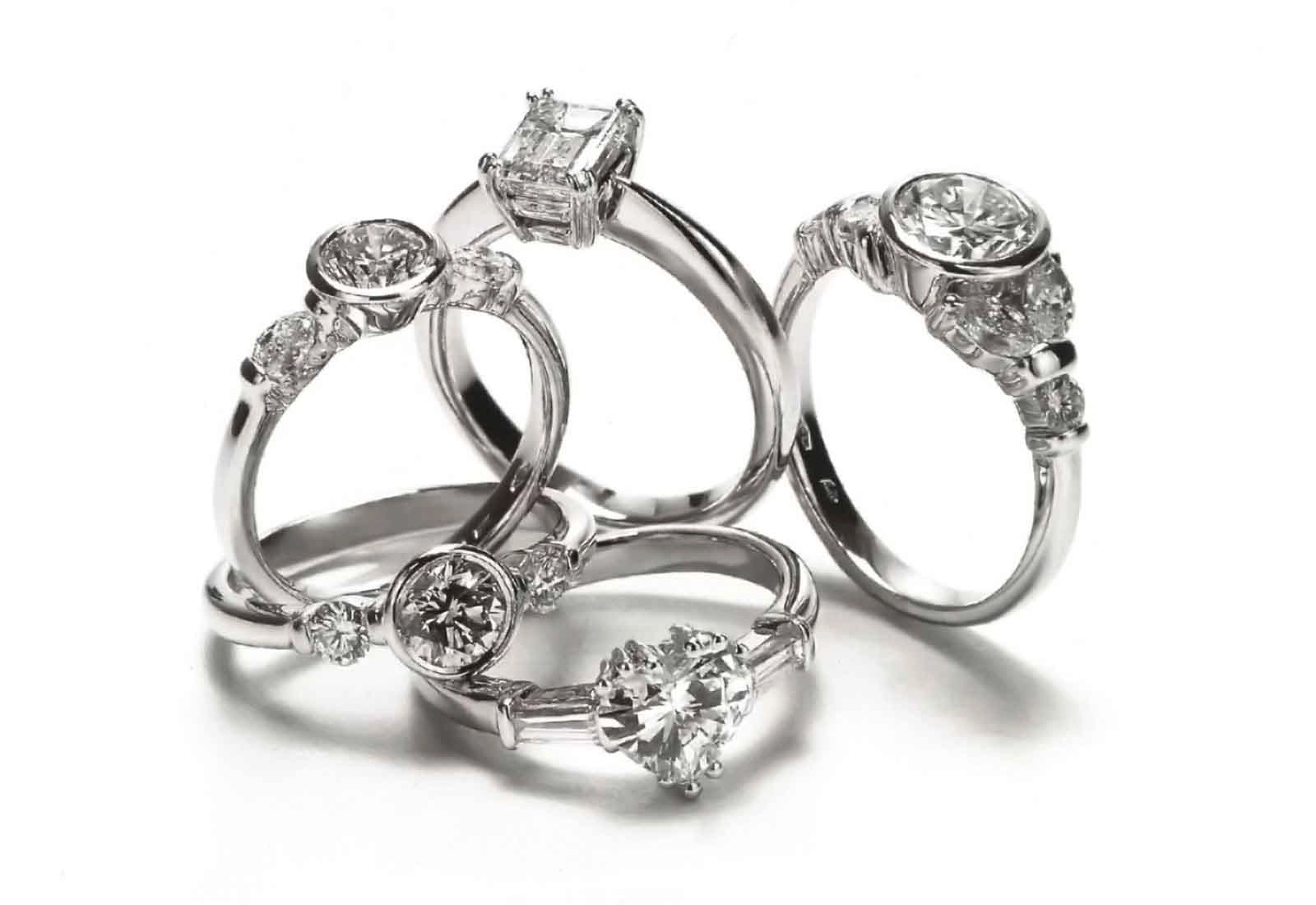
He platinum it is a silvery-white precious metal, highly prized in jewellery for its durability, density and natural elegance.
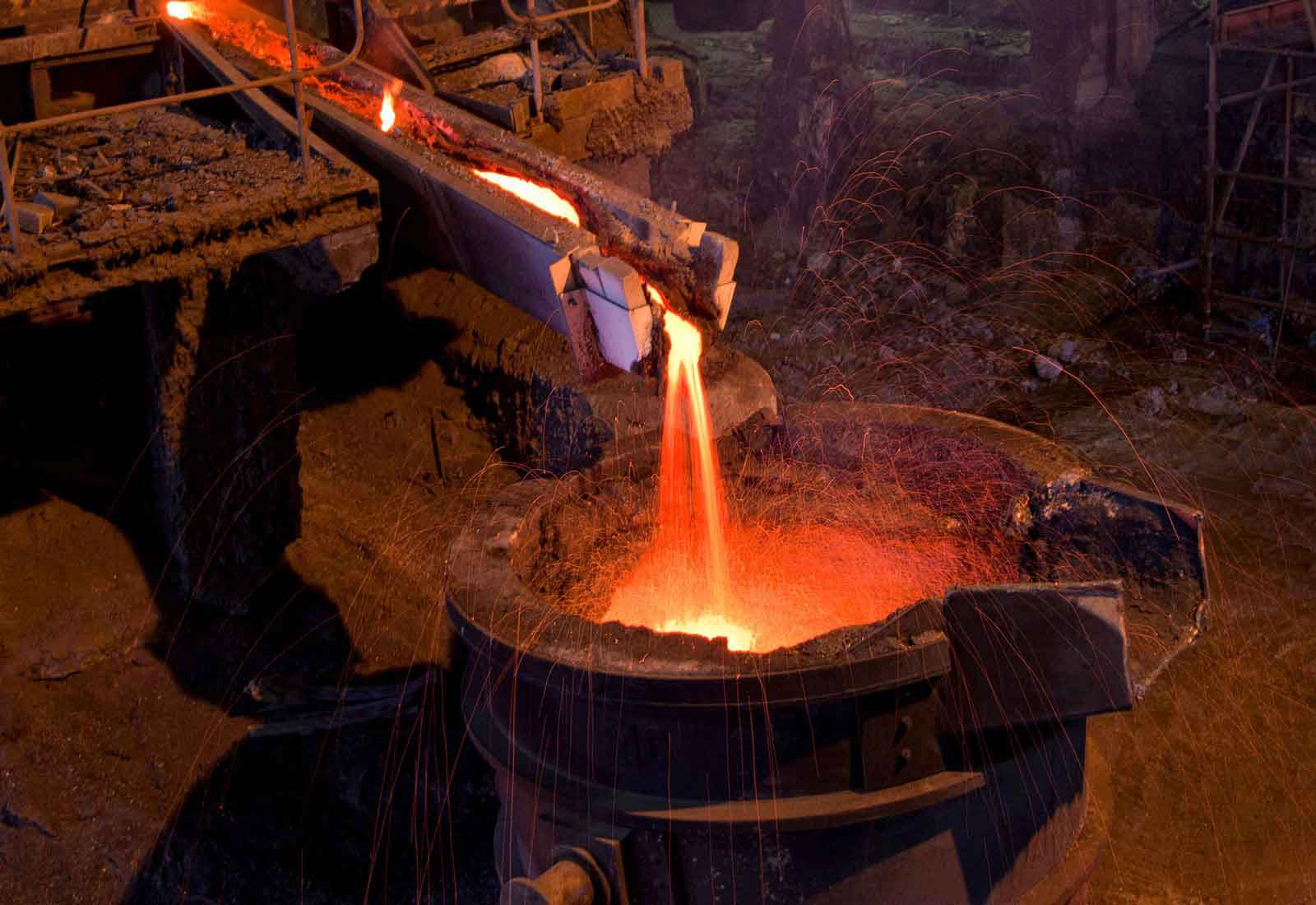
In nature it is rarely found in its pure state. It is often associated with other platinum group elements or other metals, such as palladium, iridium, ruthenium, rhodium, osmium, iron, copper, gold and nickel.
Over time, platinum has been recognised as one of the most interesting precious metals for goldsmithing. Before it was fully appreciated in jewellery, it was known primarily for certain technical and chemical properties, particularly in the scientific and industrial fields.
Today it is used for important jewellery thanks to a few fundamental characteristics:
- good workability in the goldsmithing sector;
- oxidation resistance;
- natural white colour;
- high density;
- excellent long-term stability.
How to recognise platinum jewellery
To an untrained eye, it may not be easy to distinguish platinum from other white metals, such as white gold or silver.
However, there are a few elements that can help guide the way.
- Check the brand. A platinum piece of jewellery should bear an identifying hallmark. It can be found on the inside of the ring, on the reverse of a pendant, on the clasp of a bracelet or in a discreet place on the jewellery.
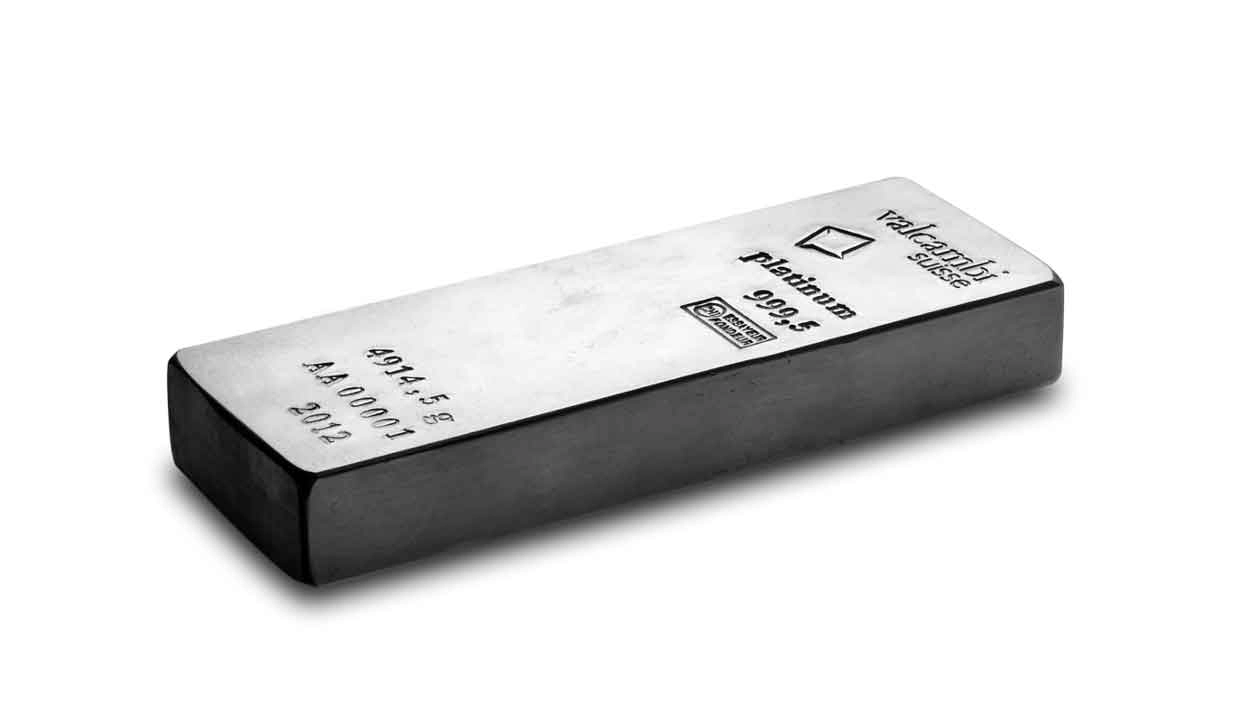
- Watch the opening credits. Platinum jewellery may bear markings such as Patient, Dish or Platinum, often followed by a number indicating the purity, for example 950.
- Assess the weight. Platinum has a high density. Given the same size and shape, a platinum piece of jewellery tends to feel heavier than a similar piece made of white gold.
These checks can provide initial guidance, but they do not replace a professional inspection. If you have any doubts about the authenticity or composition of a piece of jewellery, it is always best to consult a jeweller or an expert appraiser.
How to clean platinum jewellery
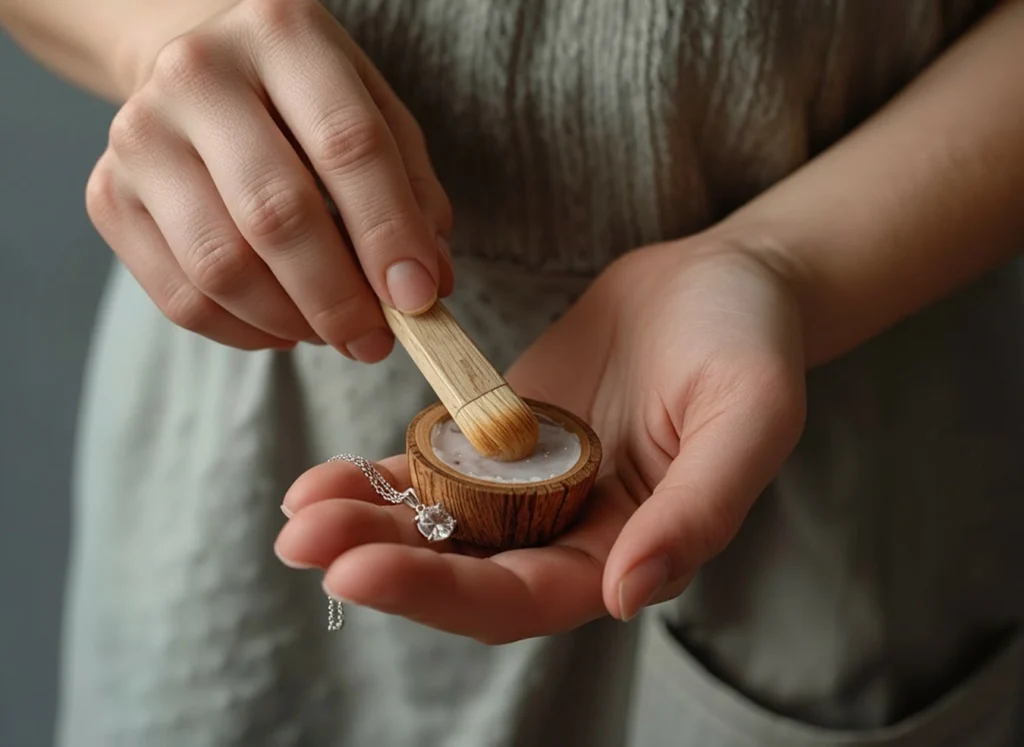
Domestic cleaning of platinum jewellery needs to be gentle. The objective is to remove surface residue, dust, traces of cream, soap or daily dirt, without damaging the jewellery or any set stones.
Here are some practical tips.
- Use warm water and mild soap. Prepare a small solution of warm water and mild soap. Avoid harsh detergents, bleach, concentrated ammonia or abrasive products.
- Use a soft toothbrush. An extra-soft-bristled toothbrush can help reach less accessible areas, especially near settings. The movement must be light, never forceful.
- Rinse carefully. After cleaning, rinse the piece of jewellery with clean water, taking care not to work over an open drain.
- Dry with a soft cloth. Dab the piece of jewellery with a clean, soft cloth, preferably non-abrasive. You can leave it to air-dry completely before putting it away.
- Avoid chlorine and chlorinated water. Do not wear platinum jewellery in the swimming pool or when using chemical products. Although platinum is durable, the alloys, solders or gemstones in the jewellery can be affected.
Mind the embedded stones
When a platinum piece of jewellery contains diamonds, sapphires or other gemstones, cleaning must take into account not only the metal, but also the stones and the settings.
Some gemstones are more delicate than others. Pearls, opals, corals, turquoises and porous stones require special care and must not be treated like a diamond or a sapphire.
For this reason, before using do-it-yourself products or methods, it is always a good idea to ask yourself: does my jewellery contain only platinum and diamonds, or are there more delicate materials?
How often to clean a platinum piece of jewellery
For jewellery worn often, gentle periodic cleaning can help keep it bright and pleasant to wear.
A light domestic clean once a month can be enough to remove surface residue. However, professional inspection remains important, especially for rings with stones, prongs or parts subject to wear.
A goldsmith can check the condition of the settings, the stability of the stones, any deformations, deep scratches or signs of wear that home cleaning cannot resolve.
When to rely on a professional
DIY cleaning can help with routine maintenance, but it cannot replace the work of a professional.
A professional intervention allows the piece of jewellery to be checked more thoroughly, evaluating not only its external brilliance, but also the security of the stones, the state of the soldered joints, the presence of scratches or any need for polishing.
This is particularly important for engagement rings, wedding bands, solitaires and jewellery that is worn every day.
Jewellery care is part of their history
La jewellery care It is not a minor detail. Every precious item can be linked to a promise, a person, an important moment or a family memory.
Looking after it means preserving not only its beauty, but also its meaning.
Those who want a professional check can find out more on the page dedicated to Guarantees or request an appointment to assess the condition of your piece of jewellery.
The first meeting is intended to clarify the direction, timetable and feasibility. It does not require an immediate decision.
Photographic sources indicated in the old article: Lenti and Villasco, Implats.co.za, Thinglink.com.